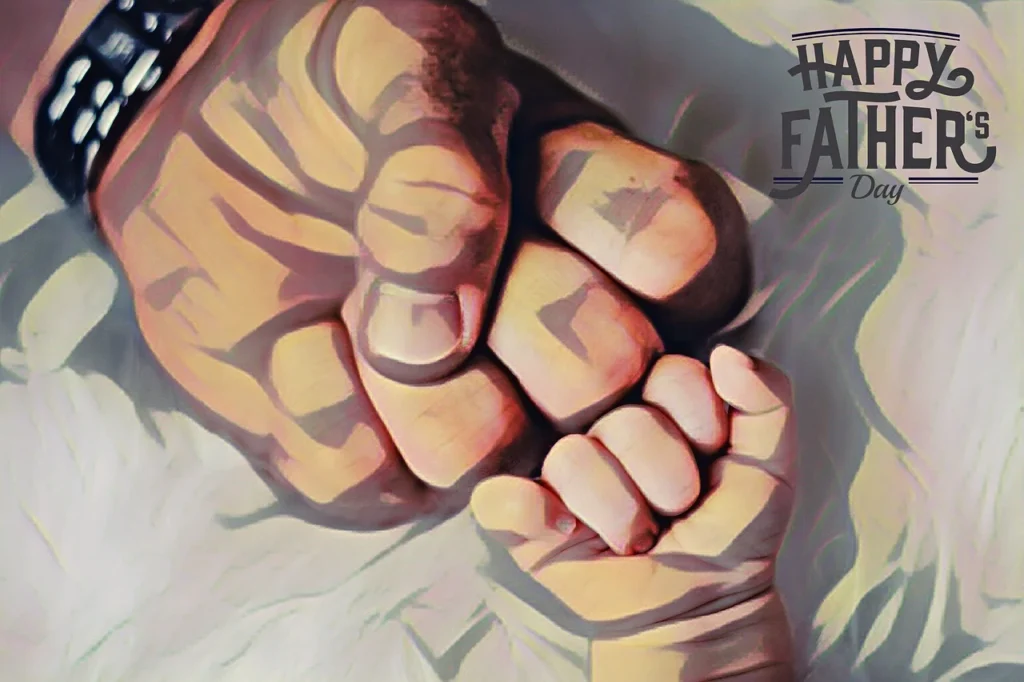
The fist bump, a gesture now ubiquitous in sports, culture, and everyday life, holds a special significance within the realm of martial arts.
It is a symbol of respect, a sign of mutual understanding, and a modern-day expression of the warrior’s code.
But where did this seemingly simple gesture come from, and what does it truly mean when two martial artists touch knuckles before a spar, a match, or a training session?
This article explores the rich history and deep-seated meaning of the fist bump in martial arts, tracing its origins from ancient traditions to its contemporary practice in dojos, rings, and cages around the world.
The origins of the fist bump are shrouded in a mix of historical accounts and anecdotal evidence, with several theories pointing to different points in time and cultural contexts.
One of the most prevalent theories traces the gesture back to the world of boxing in the late 19th and early 20th centuries.
With hands wrapped in gloves, a traditional handshake was impractical, if not impossible.
The touching of gloves, or a “fist bump,” became a practical alternative for fighters to acknowledge each other and show sportsmanship before a bout.
This practice, born out of necessity, laid the groundwork for the fist bump’s adoption in other combat sports.
Another theory suggests that the fist bump has roots in ancient warrior cultures, where a closed fist was a sign of solidarity and a promise of mutual protection.
In a world where a handshake could conceal a weapon, a closed fist was a gesture of trust, indicating that one’s hand was not holding a dagger.
This ancient symbolism of trust and non-aggression resonates deeply with the principles of martial arts, where respect and honor are paramount.
The modern popularization of the fist bump can be attributed to several cultural touchstones.
In the 1970s, the gesture was adopted by inner-city youth as a sign of greeting and solidarity.
It was later popularized by athletes like basketball star Fred Carter, who was known for his signature “fist bump” with teammates.
The gesture’s association with sports and its cool, informal nature helped it spread like wildfire, eventually becoming a mainstream expression of camaraderie.
In the world of martial arts, the fist bump has evolved to encompass a range of meanings, depending on the context and the specific discipline.
In Brazilian Jiu-Jitsu, for example, the “slap and bump” is a ritual that marks the beginning of a roll.
It is a sign of mutual consent, an acknowledgment that both practitioners are ready to engage in a physically and mentally demanding exchange.
It is a way of saying, “I trust you to be a good training partner, and you can trust me to do the same.”
The fist bump in MMA and boxing carries a similar weight.
Before a fight, when two opponents touch gloves, it is a moment of mutual respect.
They are about to engage in a brutal and physically taxing contest, but the fist bump signifies that the fight is a professional one, governed by rules and sportsmanship.
It is a recognition of the shared courage and dedication it takes to step into the ring or the cage.
Beyond the competitive arena, the fist bump is a common sight in martial arts schools and training halls around the world.
It is a way for students to greet each other, to show encouragement, and to build a sense of community.
It is a gesture that transcends language and cultural barriers, uniting martial artists from all walks of life under a shared passion for their art.
The etiquette of the fist bump can vary from one martial art to another.
In some traditional dojos, a formal bow is the preferred sign of respect, and a fist bump might be seen as too informal.
However, in many modern martial arts schools, the fist bump is a welcome and accepted gesture of friendship and respect.
It is important for practitioners to be aware of the customs and etiquette of their particular school or organization.
The fist bump is more than just a gesture; it is a reflection of the core values of martial arts.
It represents respect for one’s opponent, camaraderie with one’s training partners, and a commitment to sportsmanship.
It is a modern-day expression of the ancient warrior’s code, a symbol of the trust and mutual understanding that binds the martial arts community together.
From the boxing rings of the 19th century to the MMA cages of the 21st, the fist bump has endured as a powerful and poignant symbol of the warrior’s spirit.