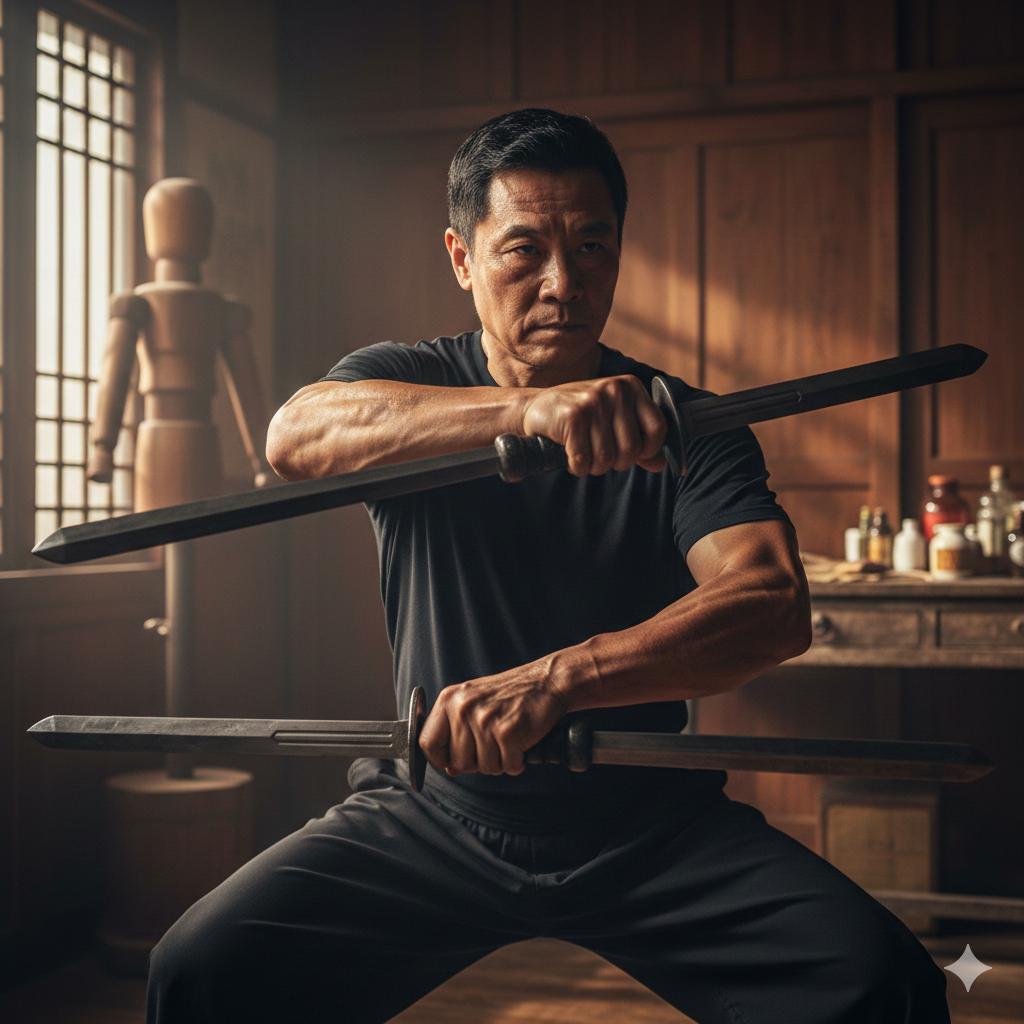
The Wing Chun system is renowned for its efficiency, directness, and reliance on empty-hand combat.
However, it also possesses two primary weapon forms: the long pole (Luk Dim Boon Kwun) and the Butterfly Swords, known in Cantonese as Bart Cham Dao (Eight Cutting Knives).
These short, broad blades are arguably the most iconic and visually striking weapons in the Wing Chun arsenal, representing the pinnacle of the system’s training.
This guide provides a complete overview of the Wing Chun Butterfly Swords, covering their history, unique design, and the principles that make them such a formidable tool in close-quarters fighting.
The history of the Bart Cham Dao is closely tied to the development of Wing Chun itself, particularly during the Qing Dynasty in China.
Legend suggests that the swords were a preferred weapon of the anti-Qing rebels, as their compact size made them easy to conceal and transport, unlike longer, more conspicuous weapons.
Their design was specifically adapted for the narrow, crowded streets and close-quarters fighting common in Southern China.
Unlike the long, sweeping movements of other sword arts, the Bart Cham Dao emphasizes short, sharp, and highly efficient movements that mirror the empty-hand techniques of Wing Chun.
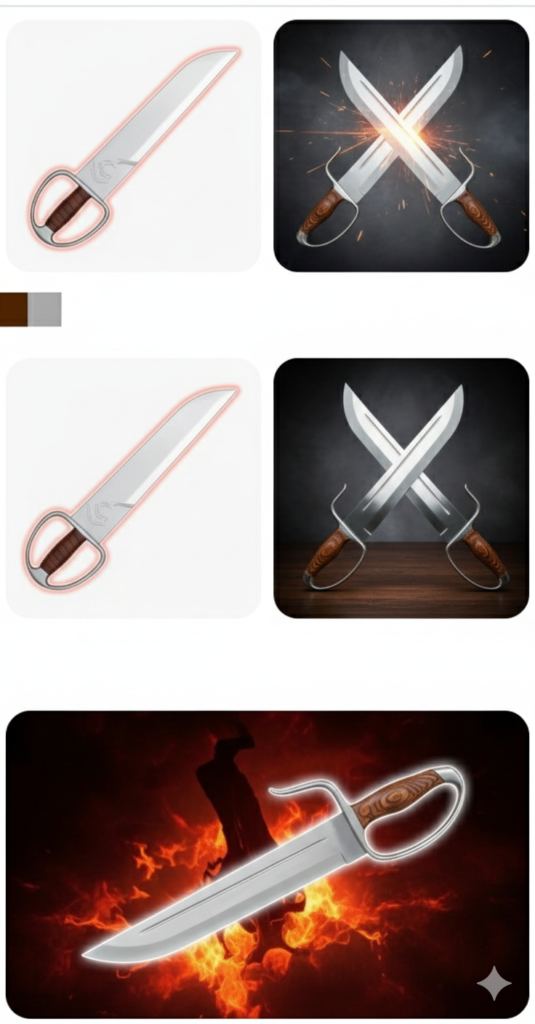
The design of the Butterfly Swords is unique and highly functional.
They are typically short, about the length of a forearm, allowing them to be easily maneuvered in tight spaces.
The blades are broad and often feature a handguard that extends over the knuckles, offering protection similar to a boxing glove.
This guard is crucial, as it allows the practitioner to block, trap, and hook an opponent’s weapon or limb without exposing their hands.
The swords are always used in pairs, with each sword acting as an extension of the practitioner’s arms, maintaining the Wing Chun principle of simultaneous attack and defense.
The name “Bart Cham Dao” translates to “Eight Cutting Knives,” referring to the eight distinct cutting angles and techniques that the swords employ.
These techniques are not random; they are a direct application of the core principles found in the empty-hand forms of Wing Chun, such as the centerline theory, simultaneous attack and defense, and economy of motion.
Training with the swords is not merely about learning a new weapon; it is about refining and internalizing the fundamental principles of the entire system.
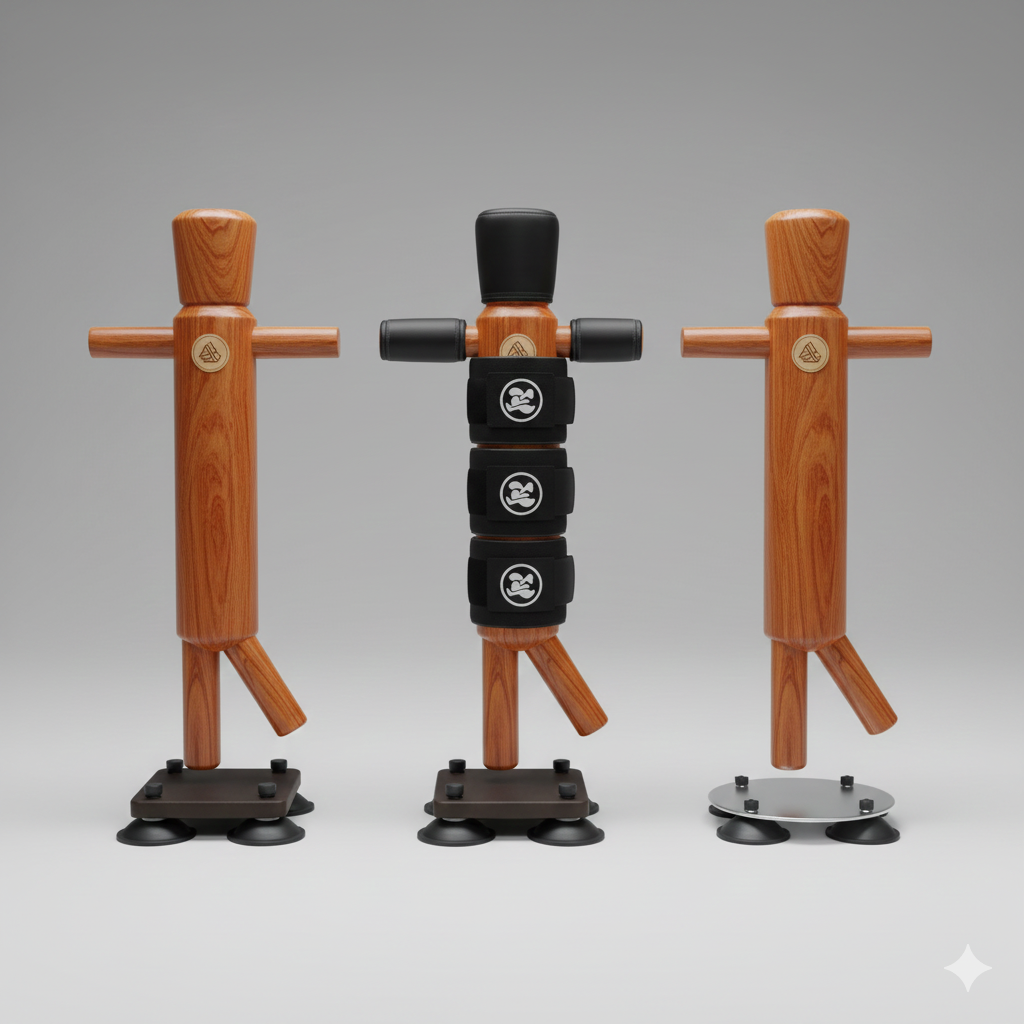
The Bart Cham Dao form is the final and most advanced form in the Wing Chun curriculum, typically taught only after a student has mastered the three empty-hand forms (Siu Lim Tao, Chum Kiu, and Biu Jee) and the Wooden Dummy form (Mook Yan Jong).
The form is a demanding sequence of movements that requires precise footwork, strong structure, and perfect coordination between the two blades.
It is a test of the practitioner’s understanding of Wing Chun principles, as the swords amplify any structural flaws or weaknesses in their technique.
The true power of the Butterfly Swords lies in their application in close combat.
They are designed to be used at the same range as empty-hand fighting, allowing the practitioner to seamlessly transition between unarmed and armed techniques.
The swords are used for cutting, slicing, and thrusting, but also for trapping, deflecting, and disarming an opponent.
The short length and paired use allow for rapid, continuous attacks, overwhelming the opponent with a flurry of strikes.
Training with the Butterfly Swords offers numerous benefits that extend beyond weapon proficiency.
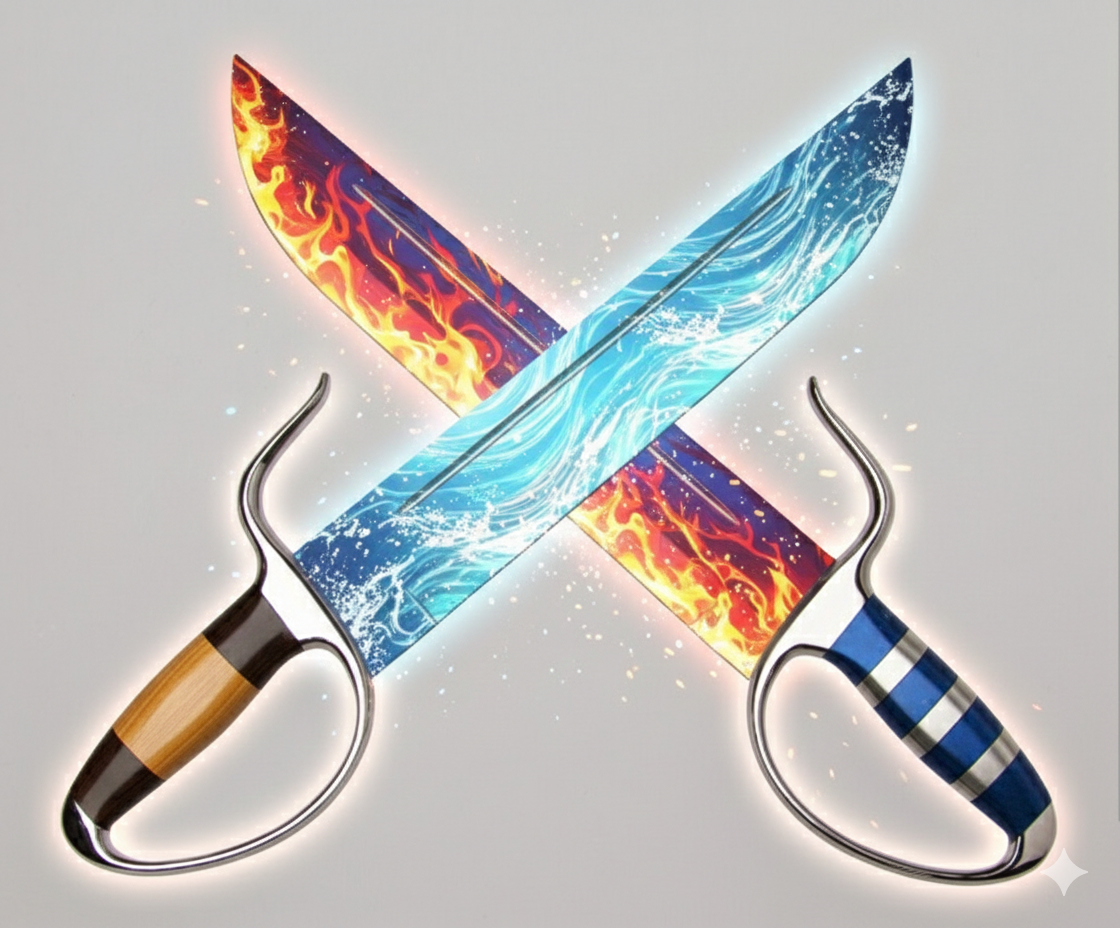
The demanding nature of the form and its applications forces the practitioner to develop superior footwork, a stronger stance, and a deeper understanding of the centerline.
The need to coordinate two weapons simultaneously dramatically improves ambidexterity and body awareness.
Ultimately, the Bart Cham Dao is a tool for self-refinement, pushing the Wing Chun practitioner to achieve a higher level of mastery in their art.
The Wing Chun Butterfly Swords are a beautiful blend of history, engineering, and martial art philosophy.
They are a testament to the system’s focus on efficiency and close-quarters combat.
For the dedicated Wing Chun practitioner, mastering the Bart Cham Dao is the final step on the path to complete mastery, a journey that sharpens the mind, strengthens the body, and deepens the understanding of the art.
The legacy of these “Eight Cutting Knives” continues to inspire and challenge martial artists around the globe.