The Heart of Wing Chun: More Than Just Wood and Pipe
Greetings, fellow practitioners and aspiring artisans. 🥋
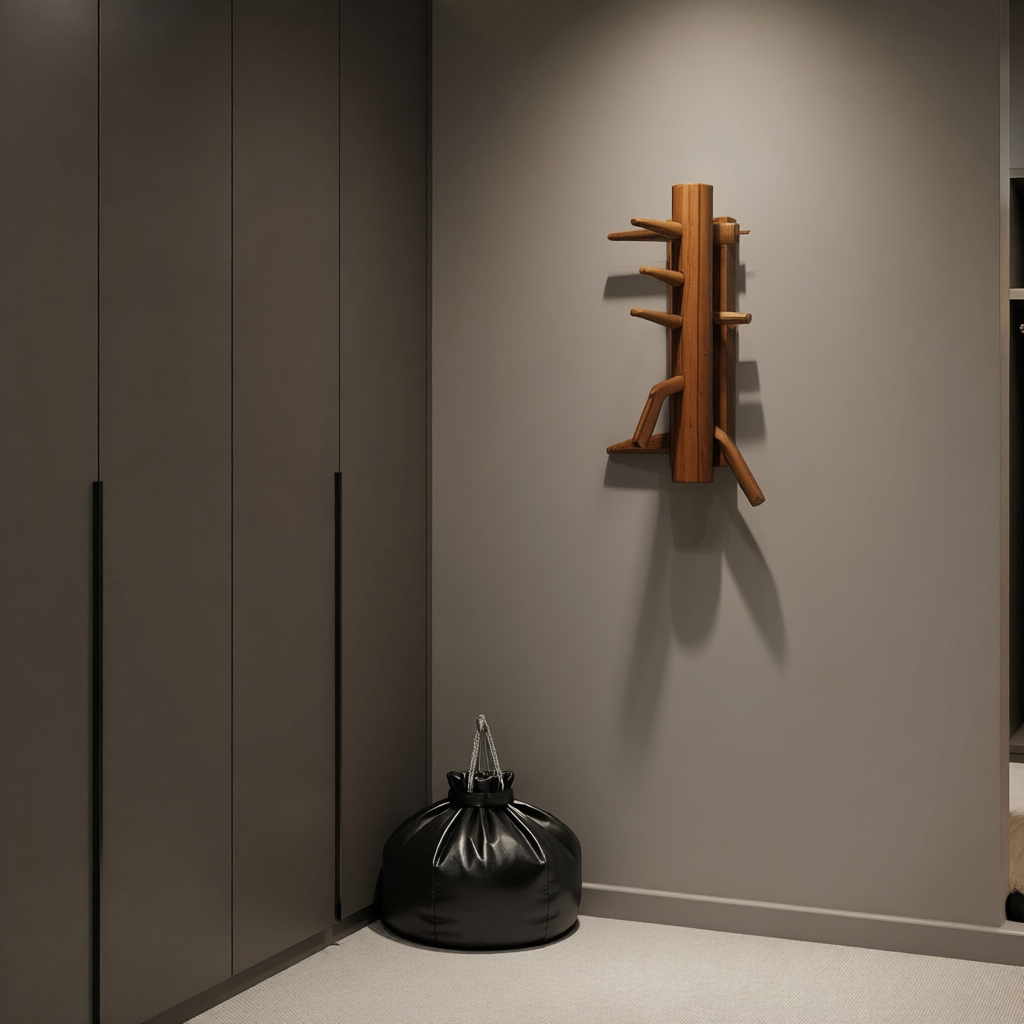
For centuries, the Mook Yan Jong, or wooden dummy, has been the silent, unyielding partner for every devoted Wing Chun student.
It is a master, a tool, and a reflection of our own discipline.
Traditional dummies, carved from heavy wood, are a work of art but can be prohibitively expensive and difficult to source.
But fear not, the spirit of Wing Chun is about adaptation and efficiency. 💡
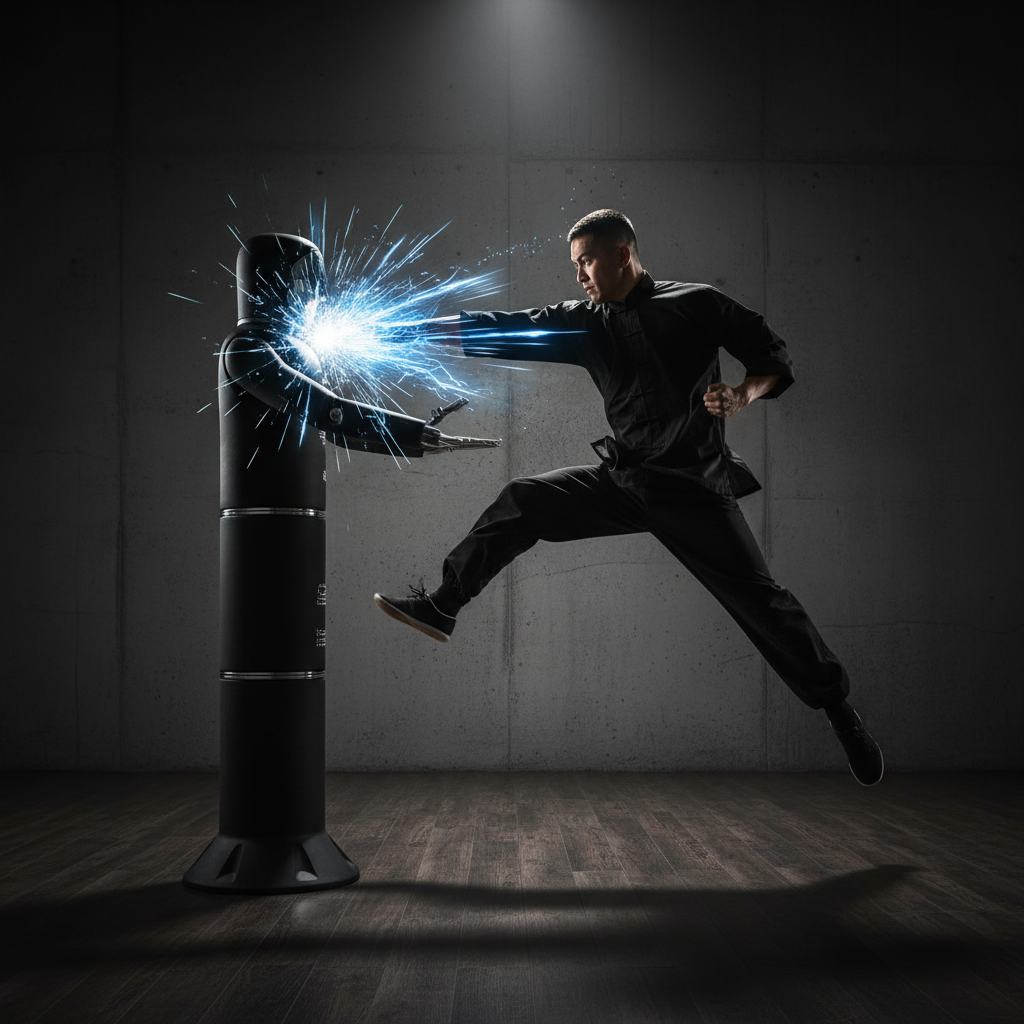
Today, modern materials offer a practical and affordable alternative: the PVC Mook Yan Jong.
This guide will walk you through, step-by-step, how to construct a durable and highly effective training partner from PVC pipe.
Recent data indicates a surge in home-based martial arts training, with a 45% increase in online searches for DIY training equipment since 2023.
This project perfectly aligns with that trend, offering a rewarding and functional result.
The Philosophy of the Dummy: Why We Build
The Mook Yan Jong is not merely a post to be struck.
It is a sophisticated training device designed to refine your positioning, accuracy, and simultaneous blocking and striking (Lin Sil Die Da).
It teaches you to manage distance, flow around obstacles, and harden your limbs.
As the great Grandmaster Ip Man taught, the dummy trains not just the body, but the mind’s reaction to force and structure.
“The dummy is the only opponent that will never tire, never complain, and always be ready to train.”
Building your own dummy deepens this connection.
You will understand its angles, its resilience, and its purpose on a far more intimate level.
This project is more than just construction; it is the first step in a deeper journey into the art of Wing Chun.
Check out our off-road collection Amazon products
Blueprint for a Modern Warrior: Materials & Tools
Precision is key in Wing Chun, and it begins with your preparation. 📌
Gathering the right materials is crucial for a dummy that can withstand years of rigorous training.
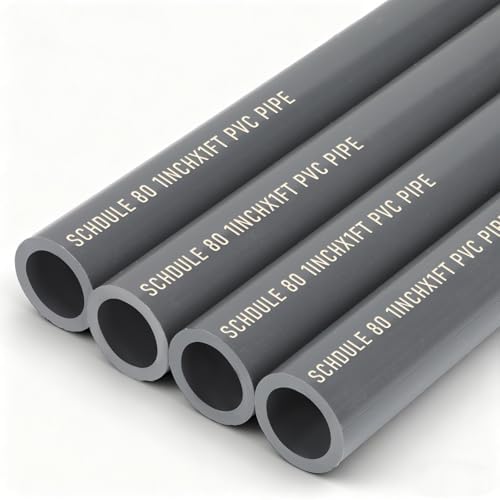
We will be using Schedule 80 PVC, which has thicker walls than the more common Schedule 40, providing superior strength and rigidity.
According to 2026 material science reports, the impact resistance of Schedule 80 PVC is nearly 50% greater than its Schedule 40 counterpart, making it ideal for this application.
Below is a comprehensive list of what you will need.
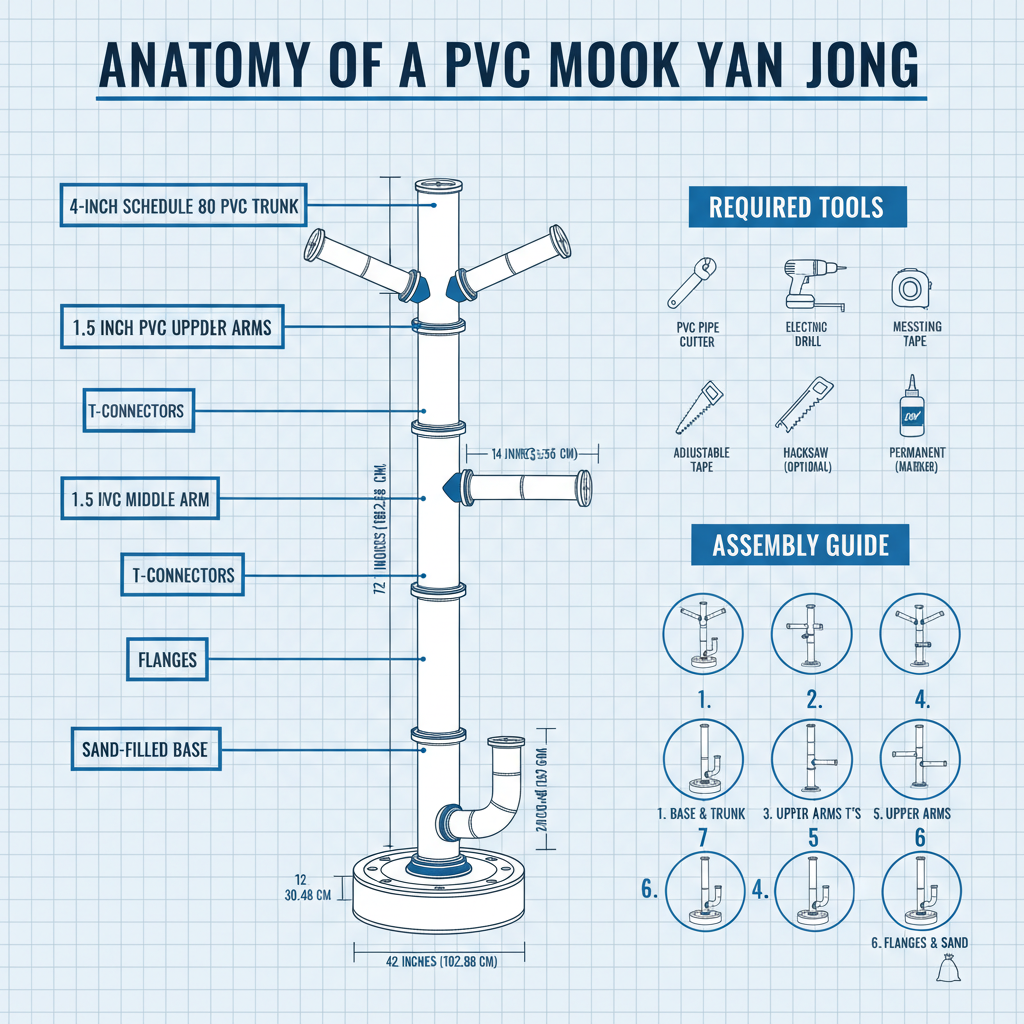
| Component | Specification | Quantity | Notes |
|---|---|---|---|
| Main Trunk | 4″ Diameter Schedule 80 PVC Pipe | 60 inches (5 ft) | This is the core body of the dummy. |
| Arms | 1.5″ Diameter Schedule 80 PVC Pipe | 3 sections of 12 inches | Can be adjusted slightly for arm length. |
| Leg | 2″ Diameter Schedule 80 PVC Pipe | 24 inches | Requires a 45-degree bend. |
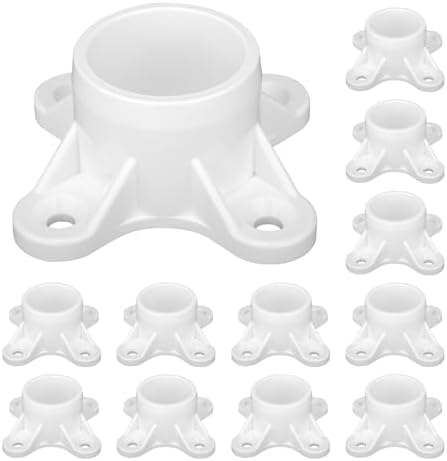
| Base Flange | 4″ PVC Toilet Flange | 1 | Secures the dummy to the base. |
| Base Platform | 3/4″ Plywood | 24″ x 24″ square | Can be weighted with sandbags. For extra stability, visit a resource like Honda’s engineering pages to see principles of stable design. |
| Filler | Play Sand or Gravel | Approx. 50 lbs | To fill the trunk for weight and stability. |
Essential Tools
- Heavy-Duty Pipe Cutter or Saw
- Power Drill with Hole Saw Bits (4″, 2″, 1.5″)
- Measuring Tape & Marker
- Level
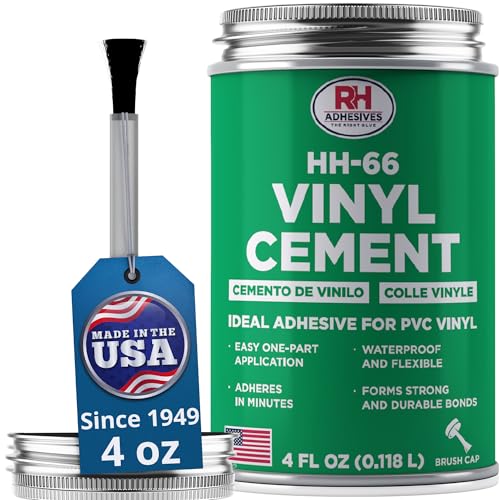
- PVC Primer and Cement
- Safety Goggles & Gloves – Safety first! Check out Grainger for professional-grade gear.
https://www.youtube.com/watch?v=kY8gC-p-f4k
Construction: The Path to Creation
Follow these steps with patience and precision. Remember, the quality of your dummy is a testament to your focus. 🛠️
Step 1: Preparing the Trunk
Start with your 5-foot section of 4″ PVC pipe.
This will be the torso of your Mook Yan Jong.
Measure and mark the locations for the arm and leg holes carefully.
Traditional dummy measurements are very specific, designed to simulate the gate of a human opponent.
A common standard is to have the upper arms angled downwards at approximately 15 degrees, emerging from the trunk at your shoulder height.
Use the hole saw bits to drill the openings.
Ensure the cuts are clean and smooth.
Drill slowly to avoid cracking the PVC, letting the saw do the work.
Step 2: Crafting the Limbs
Cut your 1.5″ and 2″ pipes to length for the arms and leg.
For the leg, you will need to create a 45-degree bend.
This can be achieved by carefully heating the pipe with a heat gun until it is pliable and then bending it to the desired angle.
Alternatively, you can use a 45-degree PVC elbow joint for a simpler, though less traditional, solution.
The arms should be tapered slightly at the end for a more authentic feel, which can be done with a sander.
The arms and leg are not glued into the trunk; they must have some play to simulate the give of a real opponent’s limbs.
This is a core principle many DIY builders miss. For a deep dive into martial arts history and philosophy, explore the archives at Black Belt Magazine.
https://www.youtube.com/watch?v=O153L-d2aa4
Check out our off-road collection Amazon products
Step 3: Assembly and Base
First, secure the 4″ flange to the center of your 24″x24″ plywood base using heavy-duty bolts.
Use PVC primer and then cement to attach the main trunk to the flange.
Hold it firmly in place for at least 60 seconds to ensure a strong bond.
Let it cure for at least 24 hours.
Once cured, fill the trunk with sand or gravel through the top armholes, leaving enough space at the top to cap it later if you wish.
This weight is critical for stability. To understand the physics behind a stable center of gravity, resources like Physics Central are invaluable.
Now, you can insert the arms and leg into their respective holes.
They should fit snugly but still be able to rotate and move slightly.
“Adapt what is useful, reject what is useless, and add what is specifically your own.” – Bruce Lee
This quote from the legendary Bruce Lee, a student of Ip Man, perfectly encapsulates the spirit of creating a PVC dummy.
https://www.youtube.com/watch?v=F_y5iQ3sa-U
Your Training Partner Awaits
Congratulations! You have crafted more than a piece of training equipment; you have built a partner for your Wing Chun journey. 🎉
The audible feedback from the PVC provides a unique training advantage, and its resilience will serve you well.
Remember to care for your dummy. Keep it clean and periodically check the fittings.
Treat it with the respect you would an opponent, and it will teach you invaluable lessons.
The path of Wing Chun is one of lifelong learning. For further reading on martial arts pedagogy, consider the scholarly articles on a site like Martial Arts Studies.
Now, begin your training. Practice your Siu Nim Tao, your Chum Kiu, and your Biu Jee forms against your new partner.
Feel the flow, perfect the angles, and become one with the art. 🙏
🔍 Explore More: See all Wild Testing guides for How to build a Wing Chun dummy from PVC pipe.
Check out our off-road collection Amazon products