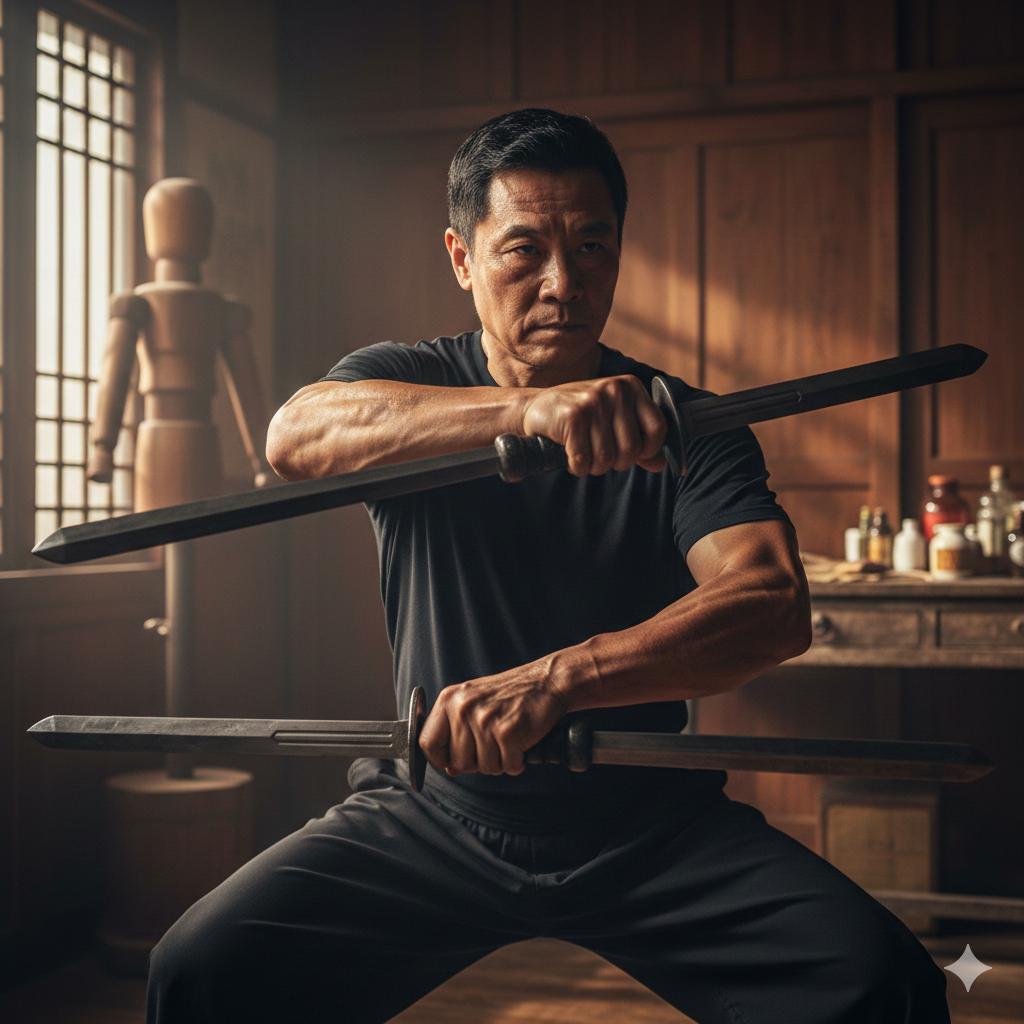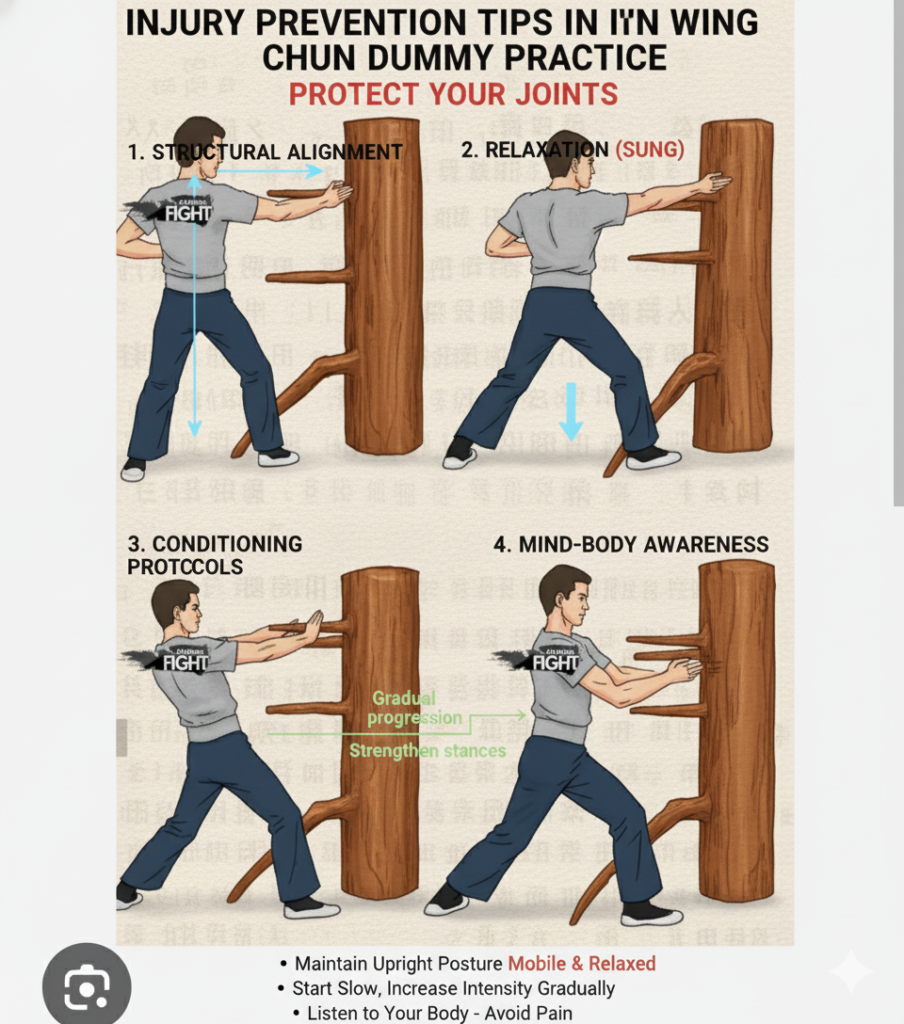



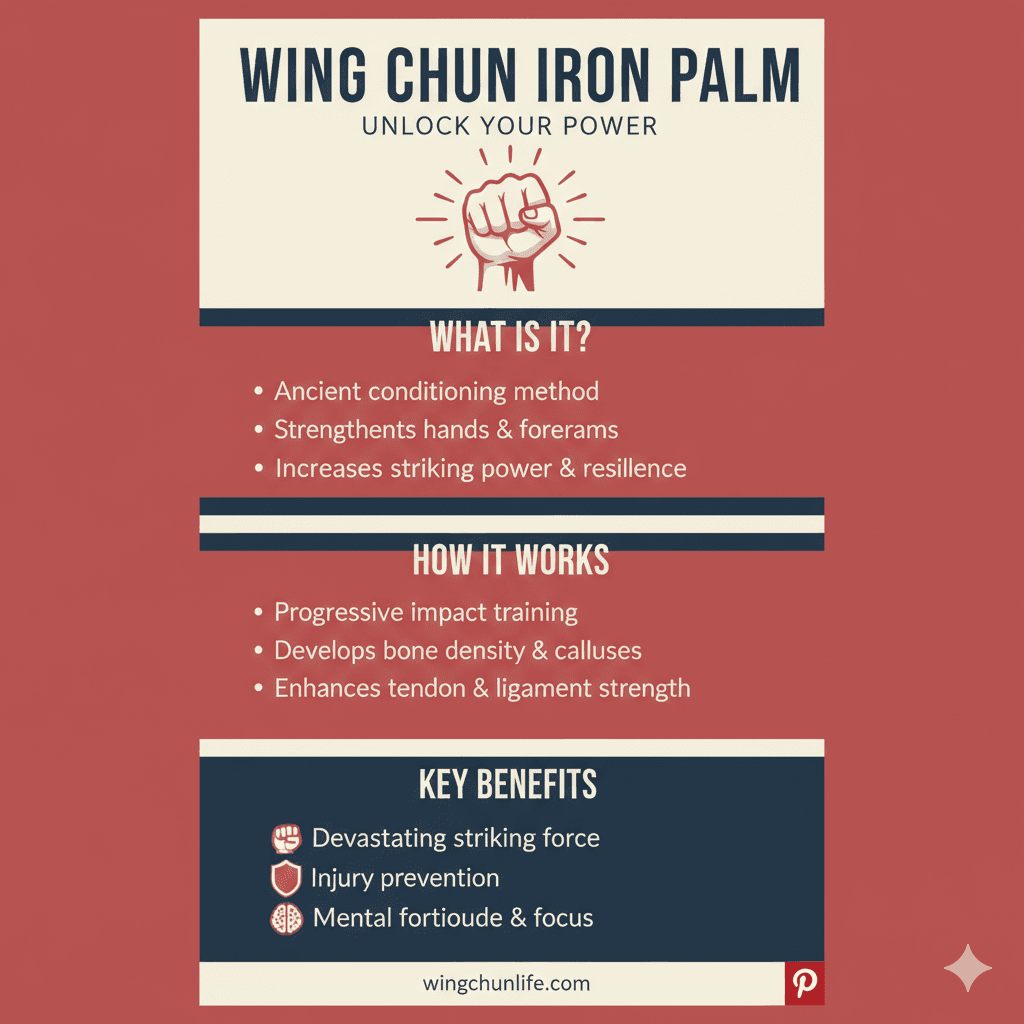
Iron Palm conditioning is a historically significant practice within Wing Chun martial arts, designed to enhance the strength and striking capabilities of a practitioner’s hands.
This technique has roots that trace back to traditional Chinese martial arts and is closely associated with various training regimens aimed at developing power, precision, and resilience during strikes.
Practitioners of Iron Palm conditioning focus on cultivating the ability to deliver powerful blows, ensuring their hands are not only capable of striking but also enduring the impact associated with rigorous training.
One of the fundamental goals of Iron Palm conditioning is to toughen the hands, which enables martial artists to execute techniques with greater effectiveness and less risk of injury.
The practice encourages the development of specific striking areas on the hands, such as the knuckles and palms, allowing for more impactful and focused strikes.
Competence in these techniques is often essential for advanced Wing Chun practitioners as they face opponents in self-defense situations, sparring, or competitions.
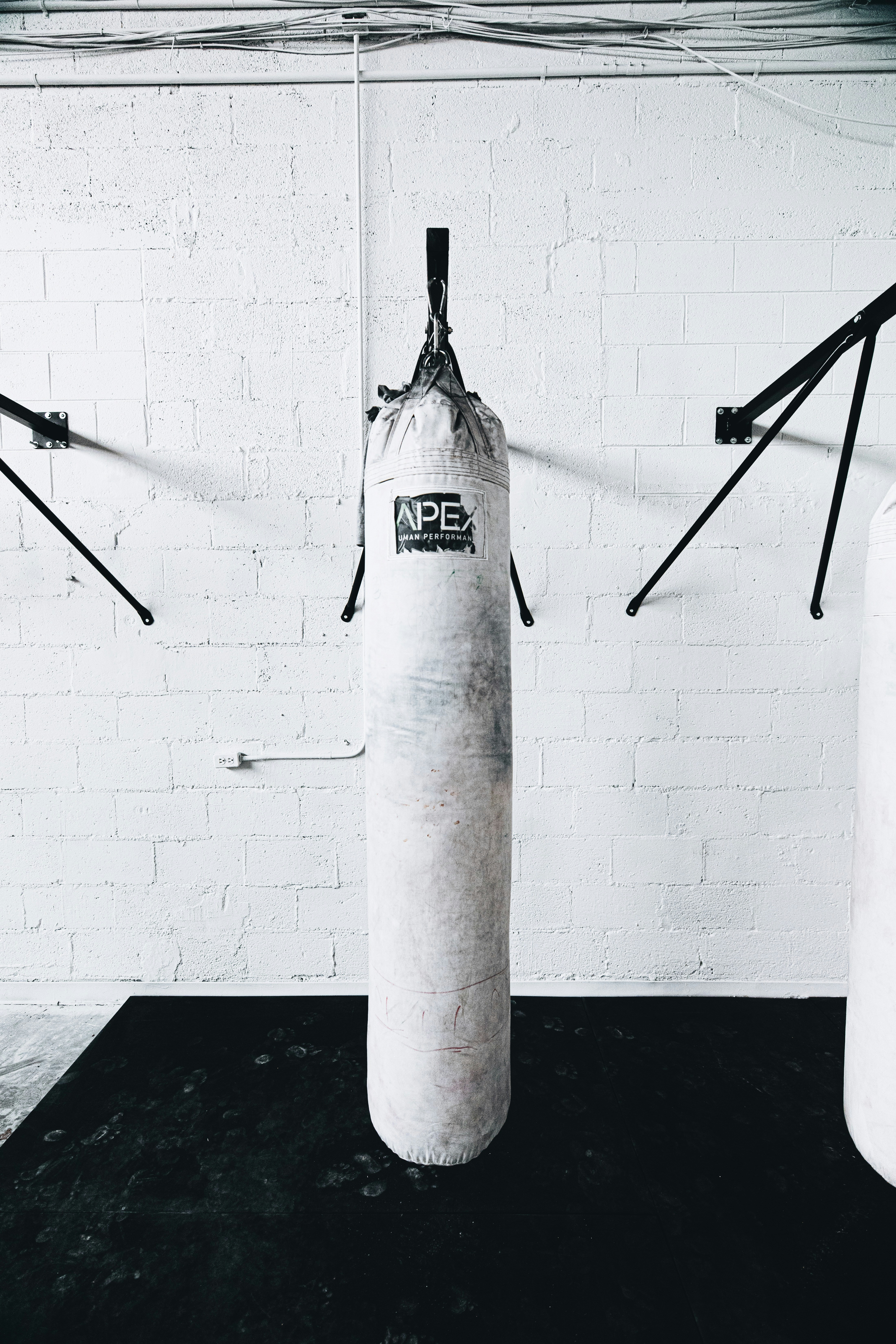
A crucial tool in this conditioning process is the wall bag, which serves multiple purposes in the training regimen.
Typically filled with materials that offer varying levels of resistance, the wall bag allows practitioners to strike against a stable surface, replicating the conditions of a real encounter while minimizing the risk of injury.
The integration of the wall bag into traditional Iron Palm training methods enables practitioners to develop their power gradually while ensuring correct form and technique.
As they progress, the wall bag helps refine their striking precision and enhances overall performance.
In summary, Iron Palm conditioning, particularly through the use of a wall bag, is an essential component of Wing Chun training.
It not only fortifies the hands but also complements the martial art’s fundamental principles, allowing practitioners to cultivate their skills effectively.
Setting Up Your Iron Palm Conditioning Wall Bag
Establishing an effective Iron Palm conditioning wall bag is essential for serious practitioners aiming to enhance their martial arts skills.
Selecting the optimal location for the wall bag is crucial; it should be mounted at a height suitable for your striking styles.
Generally, the bag should be positioned so that the center aligns with your waist level.
This ensures that your strikes are both efficient and effective, reducing the risk of injury.
Once the location is determined, proper hanging techniques are vital to guarantee stability during your training sessions.
For mounting, use a secure wall bracket or a heavy-duty hook that can support significant weight.
Make sure that the wall surface is sturdy enough to withstand repeated impacts.
Ideally, the hardware should be anchored into wall studs to provide added safety.
Utilize adjustable straps or a durable chain to connect the bag, which allows for versatile height adjustments as your training progresses.
When it comes to creating a DIY wall bag, selecting the right materials is essential.
Traditionally, wall bags are constructed from heavy-duty fabric or leather, capable of withstanding wear and tear.
If opting for a homemade solution, you might consider using a durable canvas or similar material.
The filling of the wall bag plays a critical role in training effectiveness and safety.
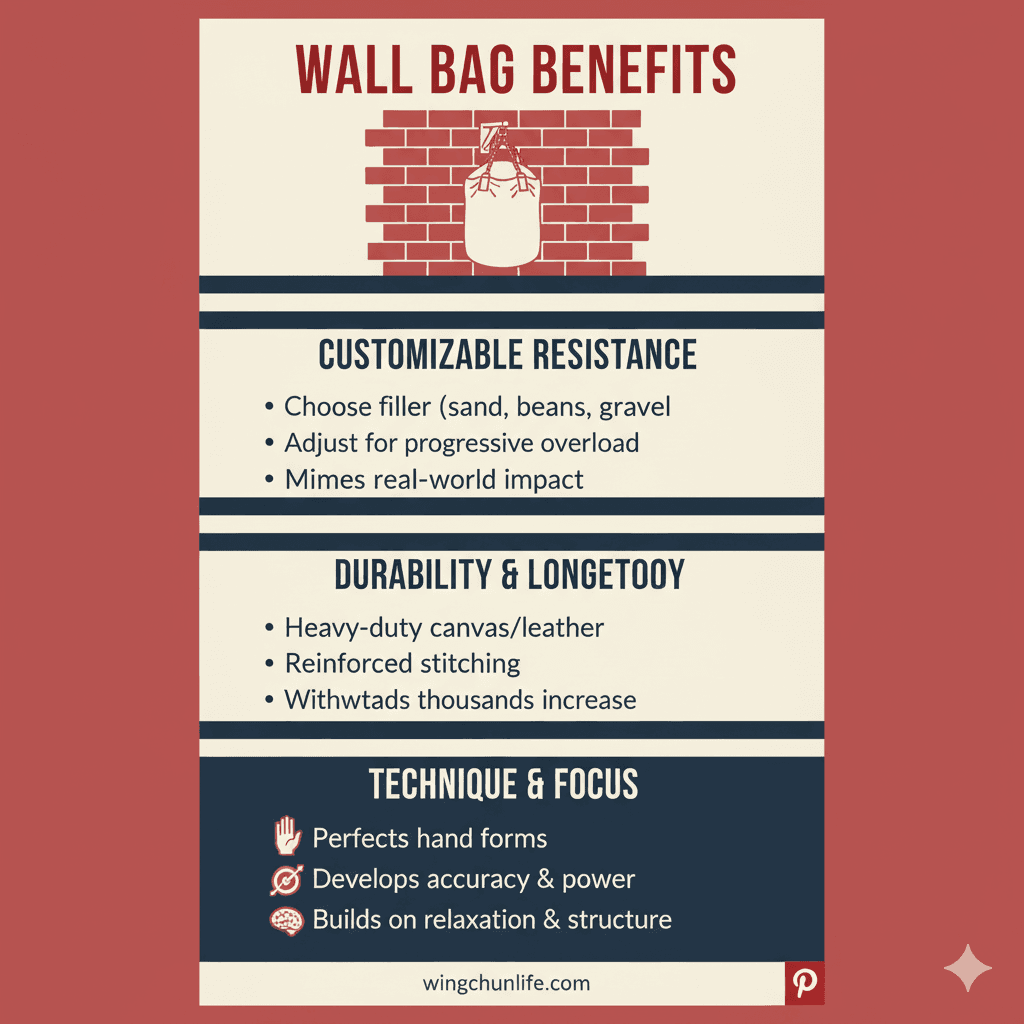
A combination of rice, sand, and sawdust can offer a good balance of hardness and give, enabling you to build striking strength without undue risk of injury.
Regular inspection of the bag and its fillings is also recommended to maintain an optimal training environment.
Overall, the proper setup of your Iron Palm conditioning wall bag enhances your training experience, helping to develop both your skill and power without compromising your safety.
Techniques for Effective Training with a Wall Bag
Training with a wall bag is an integral part of developing Iron Palm skills in Wing Chun.
Proper utilization of this equipment enhances conditioning and striking power.
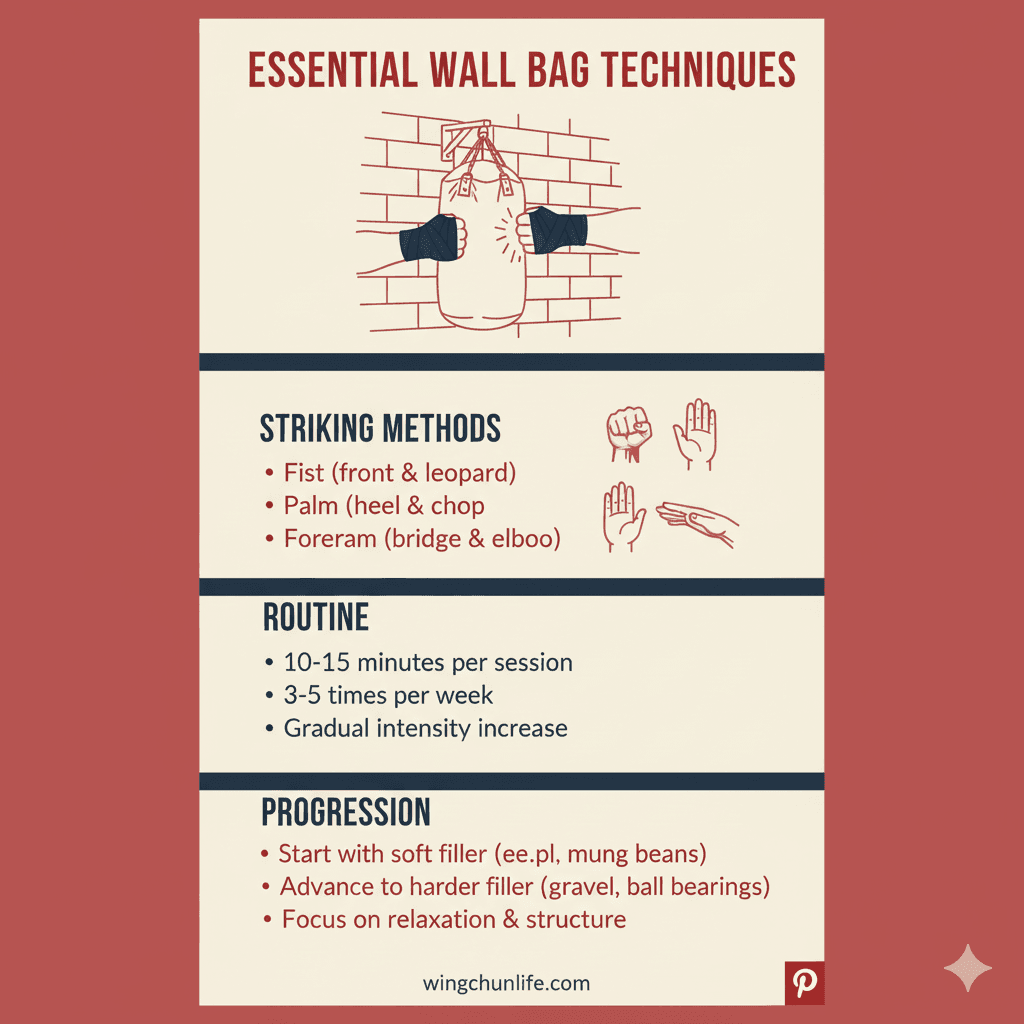
To begin, it’s essential to start with warm-up drills that prepare the body for intense training.
Basic wrist rotations, finger stretches, and stance adjustments help increase flexibility and prevent injuries.
Devoting approximately ten minutes to these warm-up activities lays a solid foundation for more strenuous exercises.
Once warmed up, practitioners can progress to striking techniques.
A common initial exercise is the straight punch to the wall bag.
This foundational movement focuses on the alignment of the wrist, hand, and elbow, ensuring that energy travels efficiently through the arm.
Practicing with varying degrees of intensity, starting softly and gradually increasing the power, allows the body to adapt progressively.
Another effective method is the slapping technique, where the palm strikes the bag with an emphasis on precision and form.
This helps condition the fingers and palm while developing speed and accuracy.
As practitioners gain confidence and experience, they can incorporate combinations into their training.
For instance, alternating between various strikes, such as palm strikes, forearm strikes, and different angles of attack, offers comprehensive conditioning.
It is crucial to maintain proper form throughout the training sessions. Keeping the elbows close to the body and ensuring the wrist remains straight prevents strain and injury.
Finally, regular assessments of progress are essential in wall bag training.
Monitoring striking power, speed, and endurance can help identify strengths and weaknesses, enabling targeted improvements.
Through structured training, focusing on technique and intensity, the wall bag becomes a formidable tool for enhancing Iron Palm skills in Wing Chun.
Benefits of Using a Wall Bag for Wing Chun
The incorporation of a wall bag into Wing Chun training routines offers numerous benefits that can significantly enhance a practitioner’s skills.
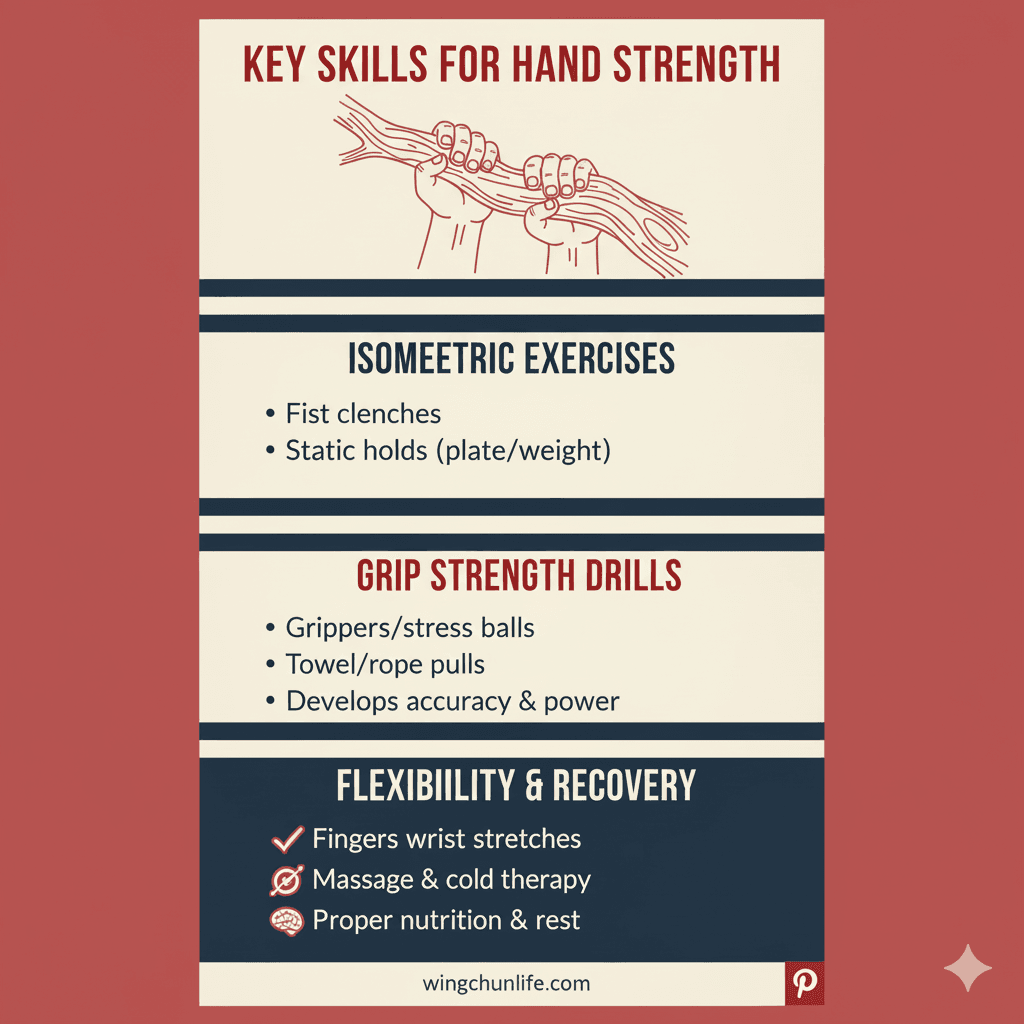
One of the foremost physical advantages of using a wall bag is the improvement of hand strength.
Striking a wall bag allows practitioners to develop the power and endurance of their hands, which is crucial for executing effective punches and strikes in Wing Chun techniques.
This targeted conditioning not only strengthens the hands but also fortifies the wrists, thus promoting better overall striking integrity.
Furthermore, the wall bag is instrumental in enhancing striking power.
As practitioners repeatedly strike the bag, they can fine-tune their technique, ensuring that every punch is executed with precision and force.
This focus on precision inevitably leads to greater striking efficiency in real combat situations.
By harnessing the kinetic energy generated during strikes, individuals can improve their overall martial prowess, making them more formidable opponents in practice and sparring scenarios.
The benefits of wall bag training extend beyond the physical.
Utilizing a wall bag cultivates enhanced sensitivity, which is a vital aspect of Wing Chun.
As practitioners focus on their strikes, they also develop a deeper understanding of body mechanics and the flow of energy.
This heightened sensitivity is instrumental in anticipating opponents’ moves and reacting with appropriate counter-techniques.
Mental and emotional benefits arise as well, with practitioners experiencing increased focus and discipline.
Engaging with the wall bag promotes a structured training approach, requiring concentration and commitment.
Ultimately, this disciplined practice nurtures a deeper appreciation for martial arts principles, as individuals learn to respect the discipline involved in honing their skills.
By integrating a wall bag into their training regimen, practitioners of Wing Chun can enjoy a holistic development of both body and mind.