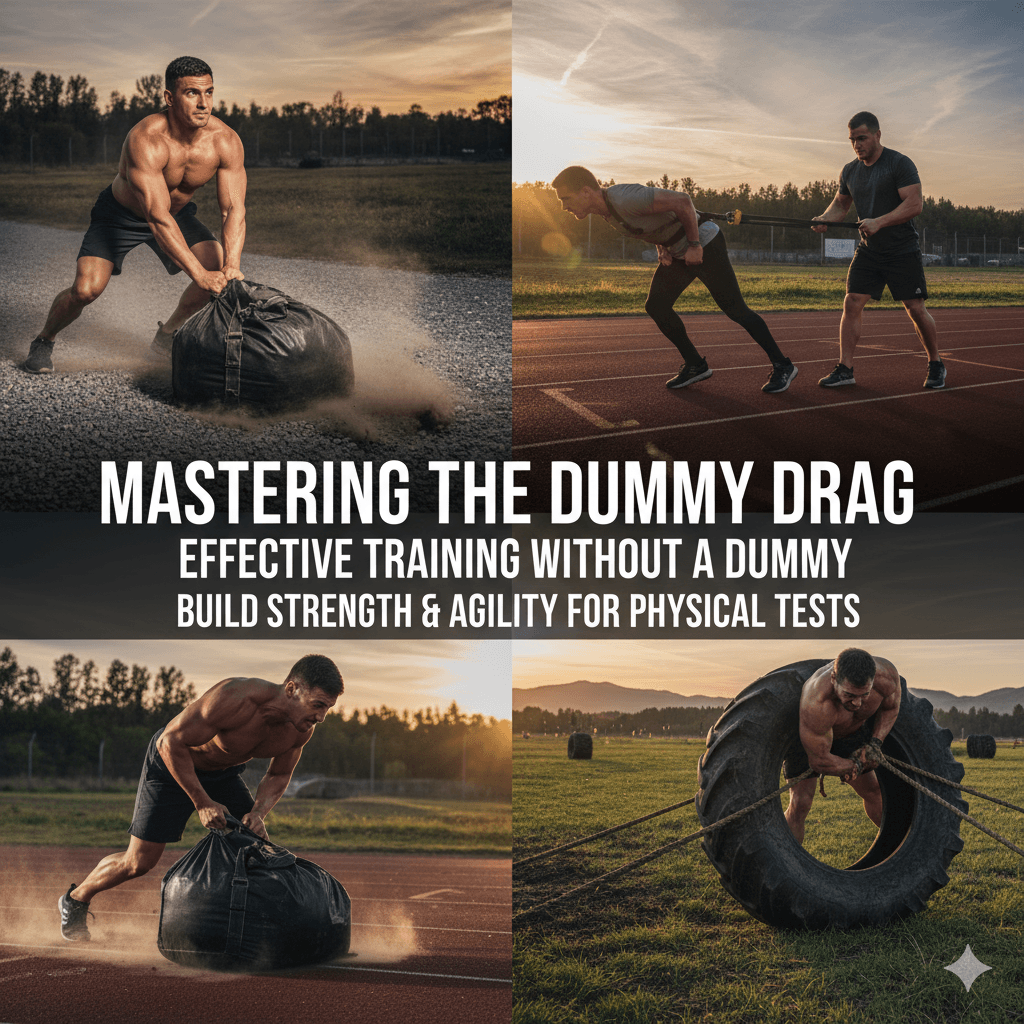


Hey there, fellow fitness enthusiasts and aspiring heroes!
Have you ever found yourself staring down a physical agility test, knowing the dummy drag is a crucial component, but lacking access to an actual training dummy?
I’ve been there, and it can feel like a real roadblock.
But don’t worry, I’ve learned that with a bit of creativity and the right approach, you can absolutely master the dummy drag, even without the specialized equipment.
This isn’t just about passing a test; it’s about building the functional strength and endurance needed for real-life emergency situations.
The dummy drag is a demanding exercise that simulates rescuing an incapacitated person, engaging your legs, core, and upper body in a powerful, coordinated effort.
It’s tough, time-sensitive, and requires precise technique to avoid injury and maximize efficiency [1].
Videos are added as random thoughts 💭💭💭
Why is the Dummy Drag So Challenging?
Before we dive into how to train, let’s quickly understand why this exercise is such a beast.
It’s not just about raw strength; it’s a complex movement that tests several physical attributes:
Physical Demands: You’re dragging a heavy, often awkward, object.
This requires significant strength, endurance, and proper technique.
It’s a full-body workout that particularly taxes your upper body and overall stamina.
Time Sensitivity: In many tests and real-life scenarios, time is of the essence.
Completing the drag within a specific timeframe adds immense pressure and demands efficiency.
Realistic Simulation: The dummy represents the weight and size of an actual person.
This makes it a realistic simulation of the challenges firefighters, paramedics, or law enforcement might face when rescuing victims.
Real-Life Impact: The ability to move victims quickly and efficiently can literally be the difference between life and death.
This adds a layer of psychological pressure to the physical challenge.
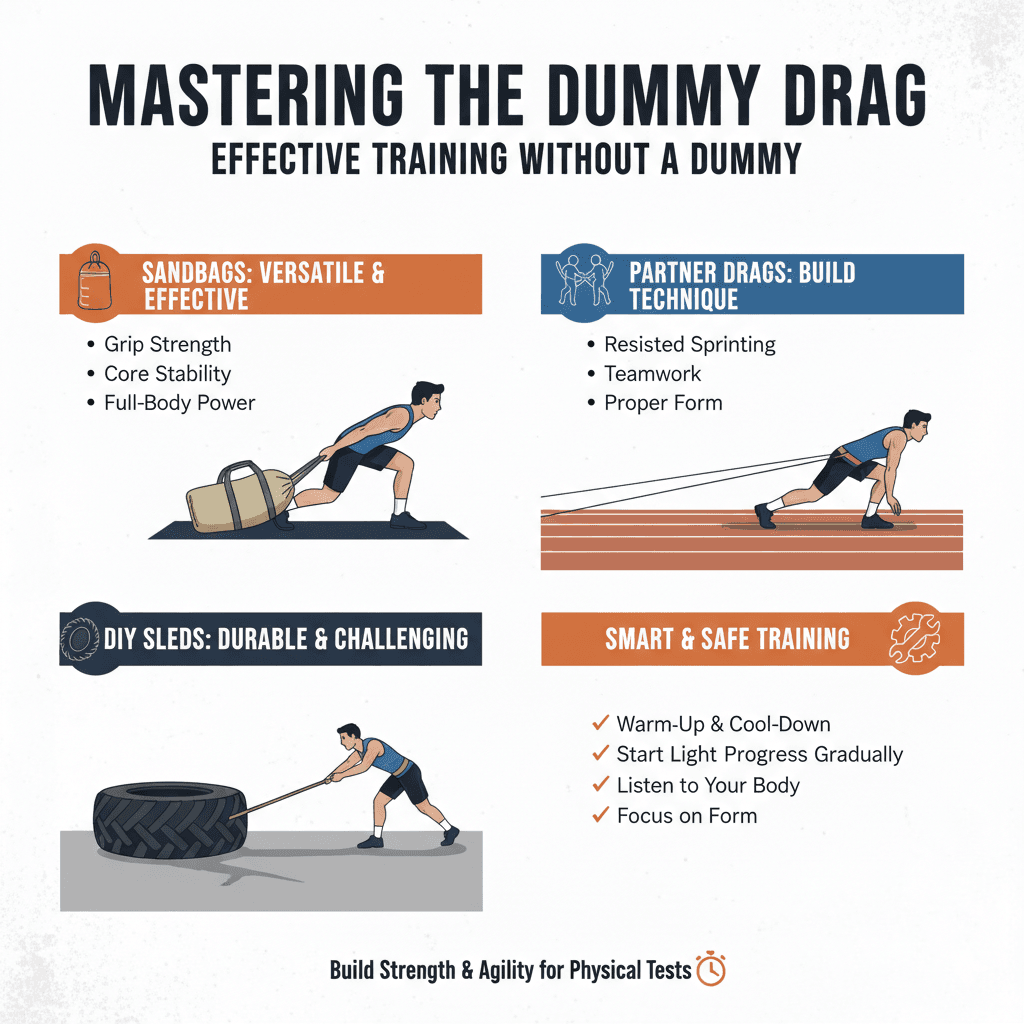
The Challenge of Training Without a Dummy
Specialized training dummies can be expensive, bulky, and simply not accessible to everyone.
This is where many aspiring candidates hit a wall.
How do you prepare for such a specific, high-stakes event when you don’t have the primary tool?
The good news is, you don’t need a fancy dummy to build the necessary strength, technique, and endurance. We can get creative!
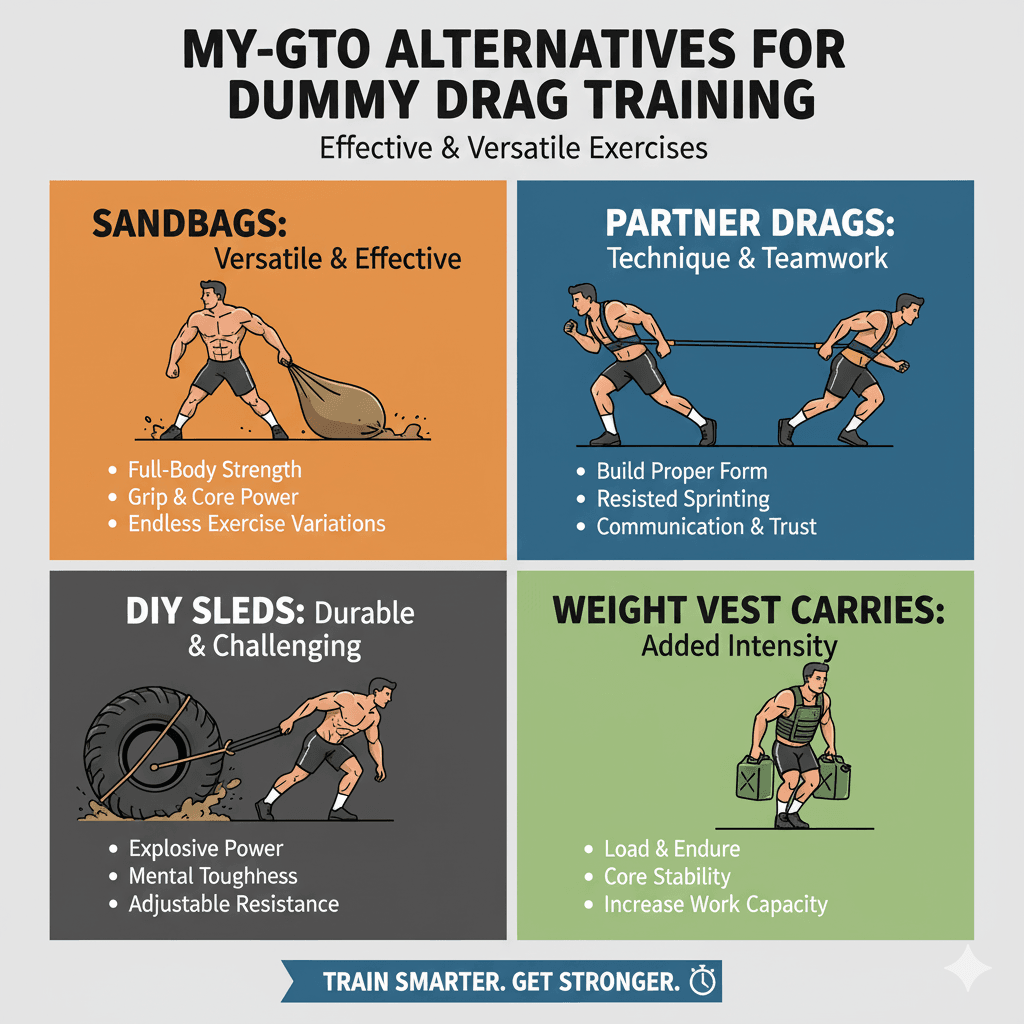
My Go-To Alternatives for Dummy Drag Training
I’ve experimented with various methods, and I’m excited to share the most effective ways I’ve found to replicate the dummy drag experience using readily available alternatives.
Remember, the goal is to simulate the weight, resistance, and awkwardness of a human body as closely as possible, while always prioritizing safety and proper form.
1. Partner Drags: The Most Realistic Simulation
If you have a willing and able training partner, this is hands down the most realistic way to practice without a dummy.
It offers dynamic, real-time feedback that no inanimate object can replicate.
How to do it:
Communication is Key: Before you start, establish clear signals for readiness, fatigue, or when to stop. Safety first!
Proper Grip: Your partner should lie down, and you’ll grab them securely under the armpits, mimicking the
bear hug technique you’d use on a dummy.
Ensure their body is relaxed and limp to simulate an incapacitated person.
Technique Focus: Use your legs and core to lift and pull, keeping your back straight.
Take short, controlled steps backward. The closer your partner is to your body, the less strain you’ll experience.
Safety First: Always use proper lifting techniques.
Consider wearing gloves for better grip and knee pads if you’re practicing on a rough surface.
A soft training surface like grass is ideal.
2. Sandbags: Versatile and Effective
Sandbags are a fantastic, relatively inexpensive, and highly effective alternative.
They mimic the weight and resistance of a dummy remarkably well.
How to do it:
Weight Selection: Start with a sandbag that challenges you but allows for good form.
For most, 100-200 pounds is a good range, depending on your fitness level and target dummy weight.
You can adjust the weight by adding or removing sand.
Secure the Sand: Double-bagging the sand with heavy-duty contractor bags and then placing them inside a durable canvas or nylon outer bag is crucial to prevent spills.
Use duct tape or zip ties for extra security.
https://www.youtube.com/live/StBqyxhQCVY?si=7AdEGcSAzoHMD1lw
Lifting and Dragging: Position the sandbag on the ground.
Squat down, bend at your knees, and use your powerful leg muscles to lift it.
Grasp it firmly and pull it backward, maintaining a straight back and engaged core. Short, controlled steps are your friend here.
Safety Tip: Always warm up thoroughly.
Wear appropriate footwear with good traction, and practice on a flat, non-slip surface.
3. Weighted Duffle Bags: Simple and Accessible
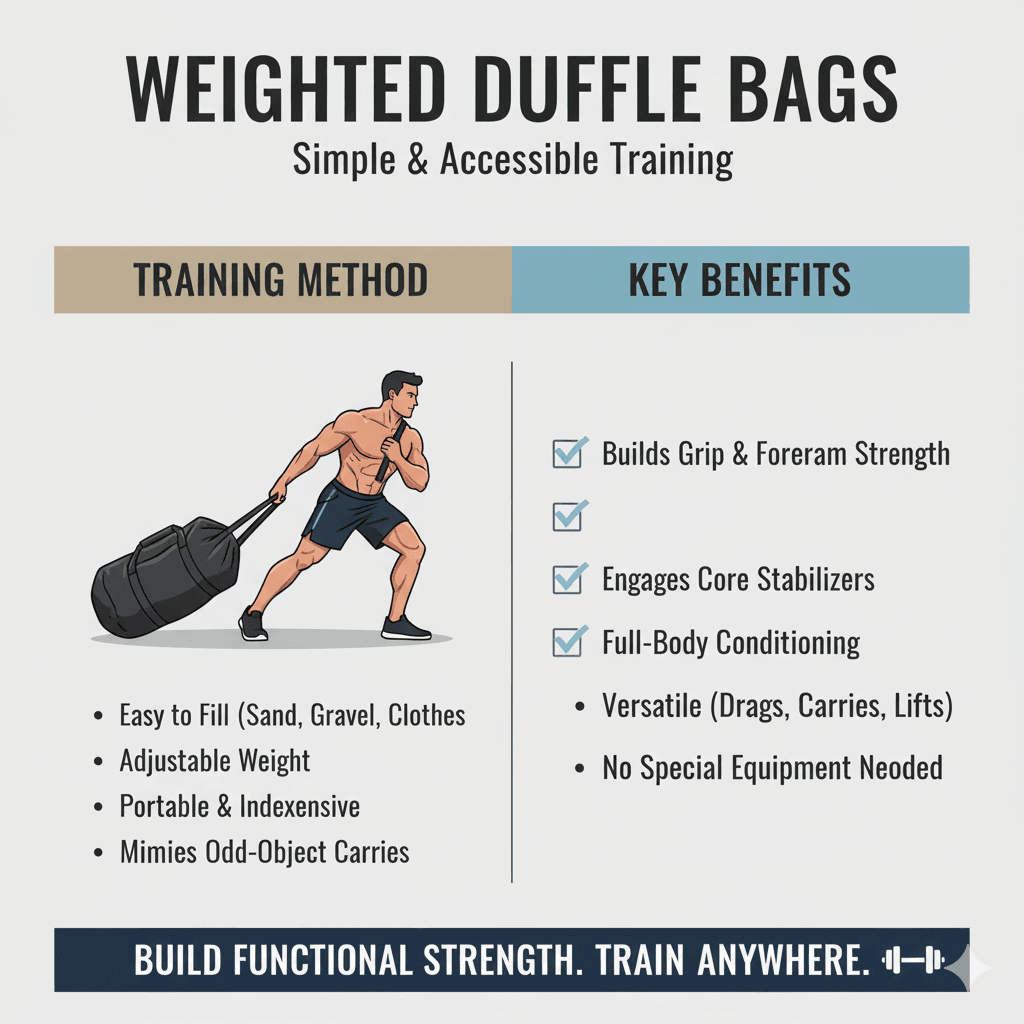
Don’t have sandbags?
A sturdy duffle bag can work wonders! Fill it with heavy items you have around the house.
How to do it:
Fill it Up: Use old clothes, blankets, books, or even rocks (wrapped in towels to prevent damage) to create the desired weight. Distribute the weight evenly to maintain balance.
Add Handles: If your duffle bag doesn’t have robust handles suitable for dragging, you can improvise by looping a strong rope or webbing through the existing straps to create more ergonomic grips.
Drag Technique: Similar to sandbags, squat down, engage your legs and core, and drag the bag backward. Focus on maintaining a low center of gravity.
4. Tires: Durable and Challenging
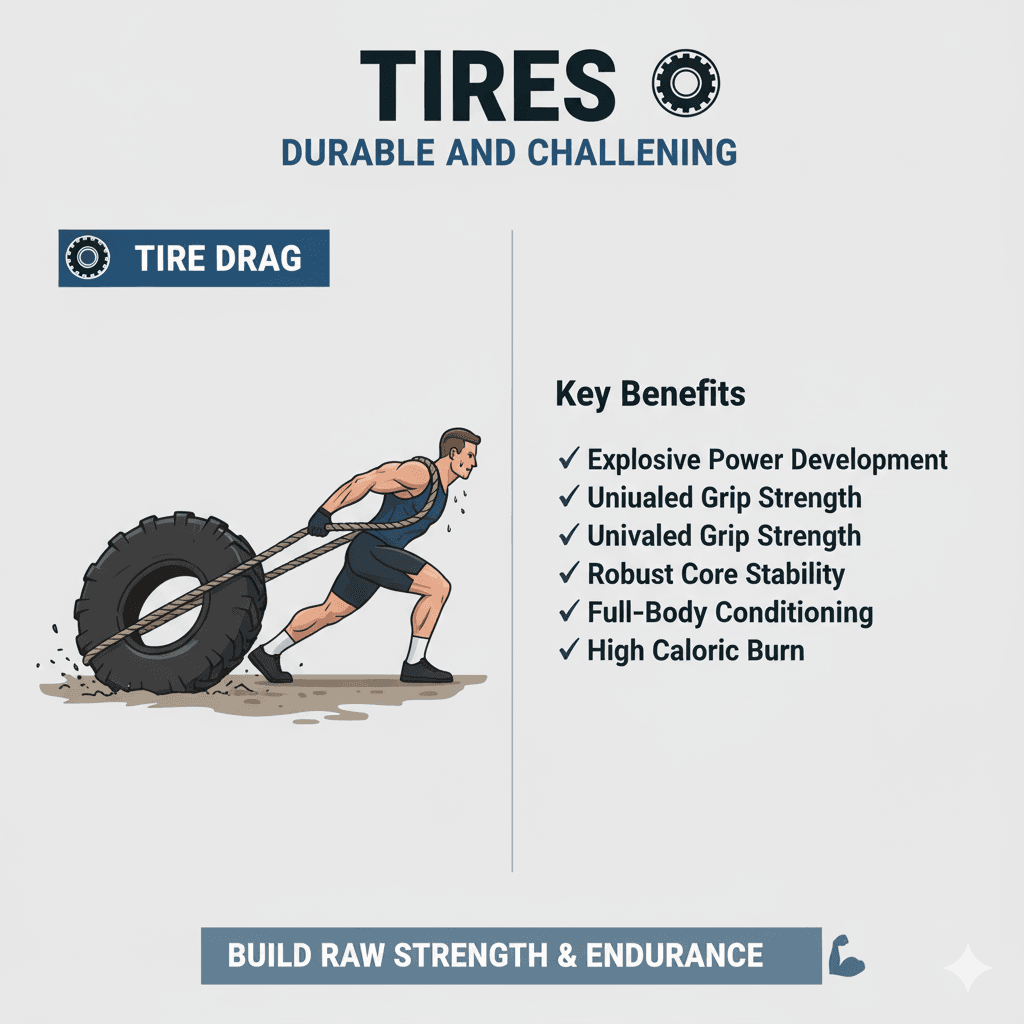
An old car or truck tire can be an incredibly durable and effective tool for dummy drag training.
They offer significant resistance and can be easily modified.
How to do it:
Find a Tire: Check with local tire shops; they often give away old tires for free or a small fee.
Attach a Rope: Drill a hole through the tire and attach an eye bolt with a large washer and nut.
Then, attach a sturdy rope or chain to the eye bolt. You can also simply loop a rope through the center of the tire.
Increase Weight: For added challenge, place sandbags, rocks, or even another tire inside the first one.
Dragging: Loop the rope over your shoulders or around your waist (using a harness for comfort) and drag the tire.
This builds incredible posterior chain strength and endurance.
5. DIY Sleds: For Advanced Training
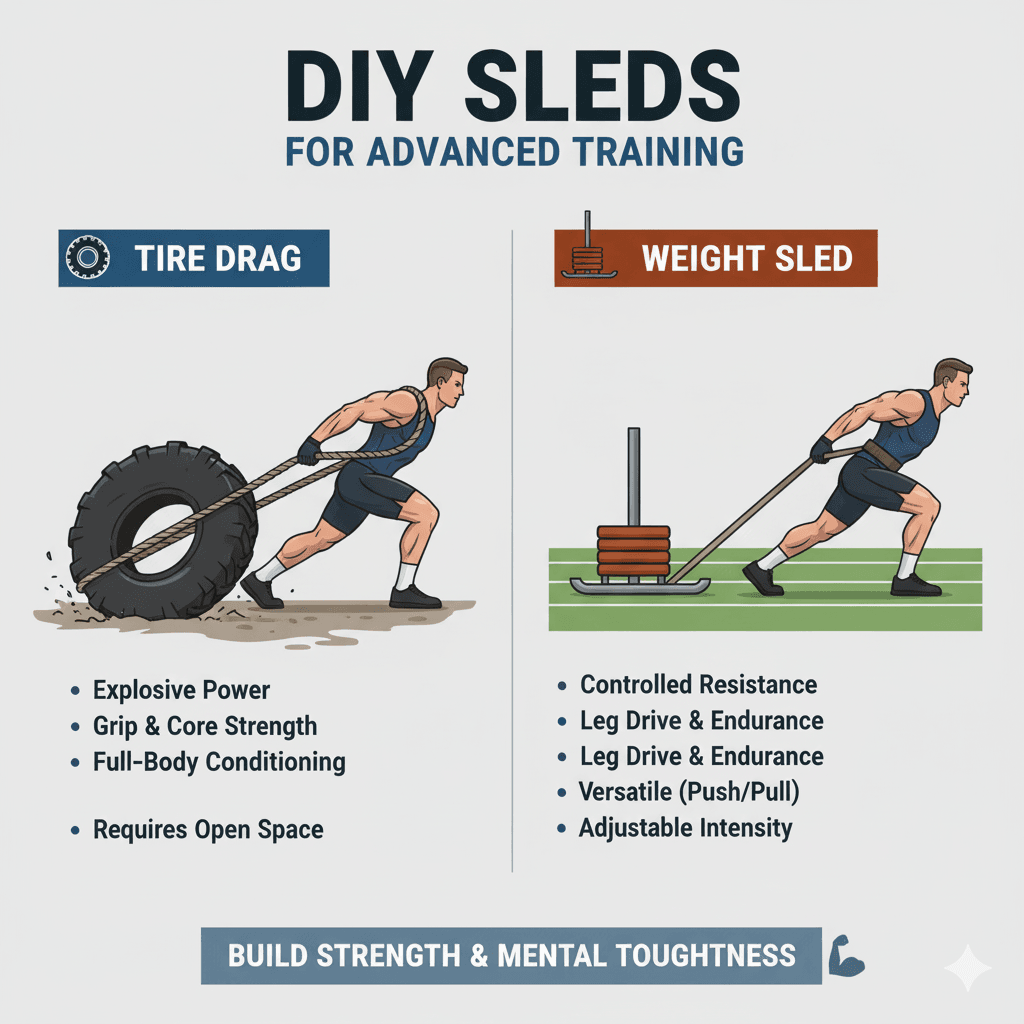
If you’re handy, a DIY sled can provide a highly customizable and effective training tool for both forward and backward drags.
How to do it:
Simple Construction: A piece of sturdy plywood with some runners on the bottom can form the base. Attach a vertical pipe or post to load weight plates.
Harness System: Use a strong harness that attaches to the sled via a rope or chain.
This distributes the load evenly across your body.
Varied Drags: Practice both forward sled pulls (great for leg drive) and backward sled drags (excellent for quadriceps and overall endurance).
6. Hose Bundles (Firefighters Specific): Realistic and Practical
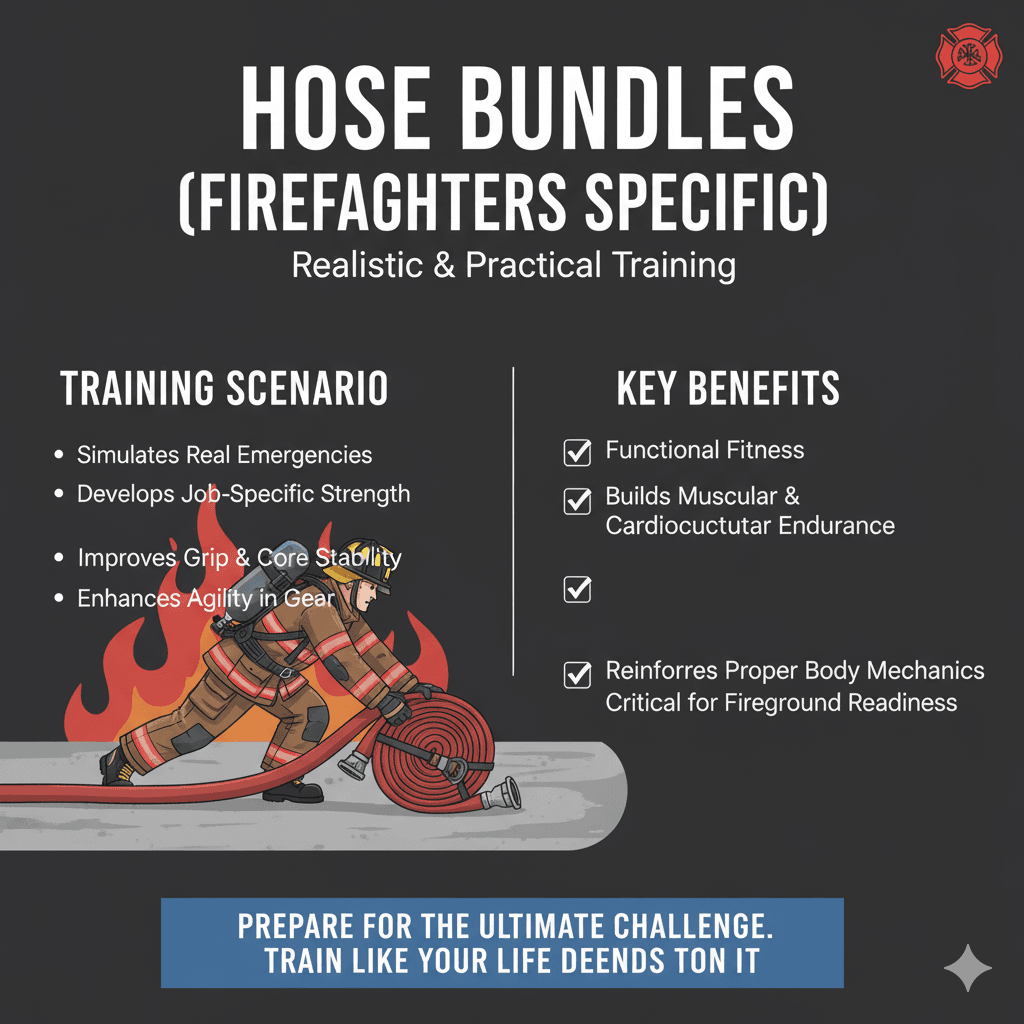
For those in fire service, bundles of old fire hose can be an incredibly realistic training tool, mimicking both the weight and the awkwardness of dragging actual hose or a victim.
How to do it:
Bundle and Secure: Take several lengths of decommissioned fire hose, fold or roll them, and secure them tightly with straps or heavy-duty tape.
Practice Grip: The texture and shape of the hose bundles will give you a realistic feel for gripping and maneuvering during a rescue.
Technique: Focus on the same principles: low center of gravity, strong leg drive, and controlled backward movement.
General Training Principles for Success
Regardless of the alternative you choose, remember these core principles to maximize your training and stay safe:
Consistency is Key: Regular practice, even with lighter weights, will build the necessary muscle memory and endurance.
Focus on Form: Always prioritize proper lifting and dragging technique over the amount of weight. Bad form leads to injury.
Progressive Overload: Gradually increase the weight or resistance as you get stronger.
This is how your body adapts and improves.
Warm-up and Cool-down: Never skip these! A proper warm-up prepares your muscles, and a cool-down aids recovery.
Listen to Your Body: If something hurts, stop. Rest and recovery are just as important as the training itself.
Incorporate Complementary Exercises: b Strengthen your core, legs, and back with exercises like squats, deadlifts, lunges, and planks. These will directly support your dummy drag performance.
Conclusion
Not having a training dummy is no longer an excuse to neglect this critical skill. With a little ingenuity and dedication, you can create effective, realistic training scenarios using everyday items or a willing partner.
By focusing on proper technique, progressive overload, and consistent effort, you’ll be well on your way to mastering the dummy drag and enhancing your overall functional fitness.
So, go forth, get creative, and drag your way to success!
—
References
[1] The #1 Way to Train for the Rescue Dummy Drag. (n.d.). The Firehouse Press. Retrieved from