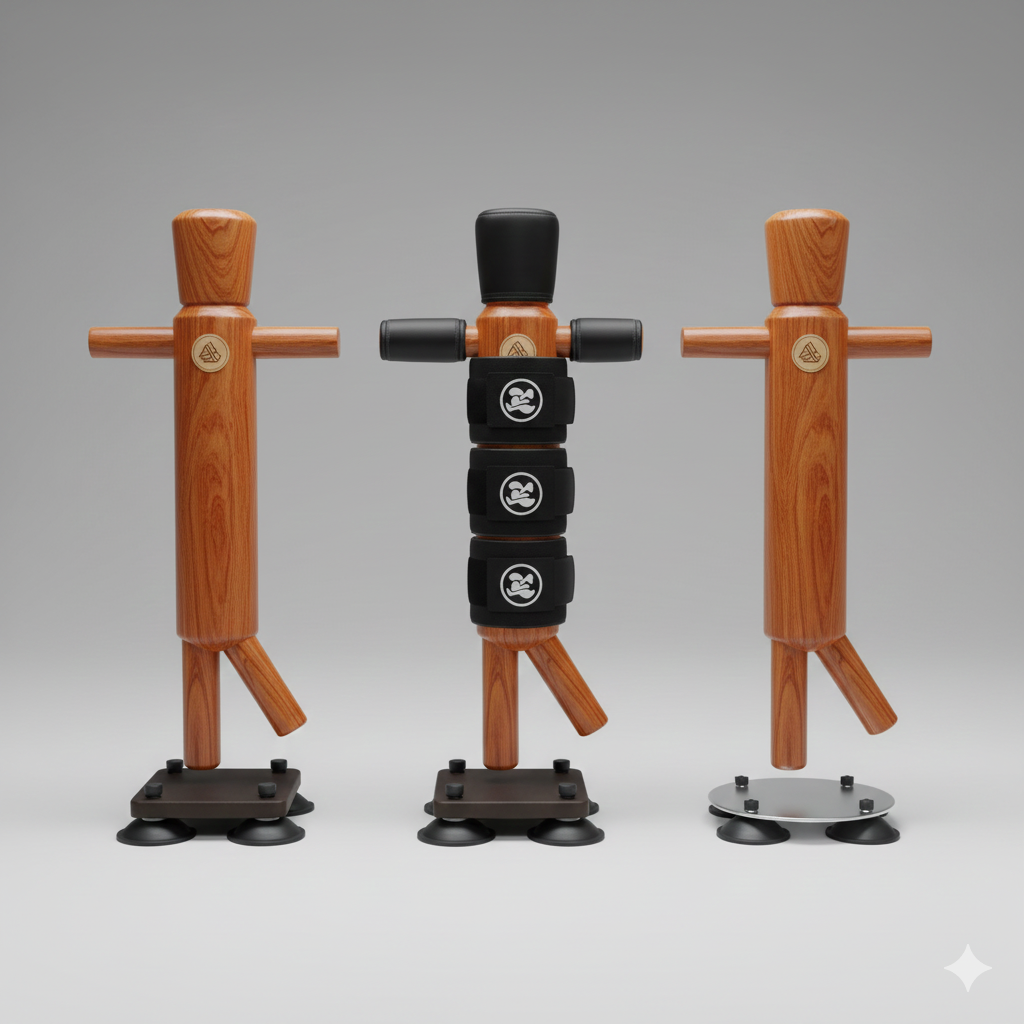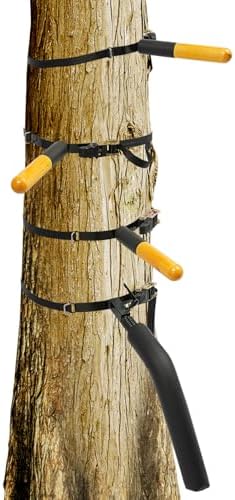
The Wing Chun Wooden Dummy (Mook Yan Jong) is the ultimate tool for developing structural integrity, precise angles, and reflexive contact skills. 🥋
However, the traditional free-standing dummy, with its large, heavy frame, presents a significant challenge for practitioners living in modern apartments or small homes. 🏠
The need for authentic training without sacrificing living space has driven innovation, leading to the rise of ingenious, space-saving solutions—most notably, the suction cup dummy. 💡
These compact training partners promise to deliver the core benefits of Mook Yan Jong practice without the footprint of a full-sized model. 🦶
This comprehensive guide will explore the world of small-space Wing Chun dummies, focusing on the mechanics, benefits, and limitations of suction cup and portable designs, ensuring you can maintain a high-level practice no matter the size of your training area. 🤓
The Challenge of the Traditional Dummy
A traditional, free-standing Mook Yan Jong is a marvel of engineering, designed to move and recoil slightly when struck, simulating the resistance of a human opponent. 🌳
This movement is crucial for training the Wing Chun principles of borrowing force and structural alignment. 📐
However, these dummies typically require a dedicated space of at least 6×6 feet and weigh upwards of 150 pounds, making them impractical for many urban dwellers. 🏙️
The dilemma for the serious practitioner is clear: how to replicate the essential structural feedback of the traditional dummy in a confined environment. 🤔
The answer lies in a category of specialized equipment that sacrifices size but retains the core training principles. 🎯
The Rise of the Suction Cup Solution
Suction cup dummies represent a modern, highly portable answer to the space problem. 🚀
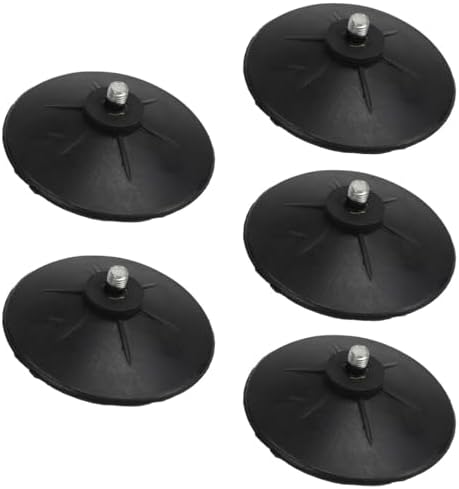
These models typically feature a central post or a small base equipped with powerful industrial-grade suction cups, allowing them to be temporarily affixed to smooth, non-porous surfaces like tile floors, large mirrors, or glass doors. 🚪
This design offers two key advantages for the small-space practitioner:
- Zero Footprint: When not in use, the dummy can be quickly detached and stored in a closet, leaving the floor space completely clear.
- Portability: The entire unit is lightweight and can be moved from room to room, or even taken outdoors, offering unprecedented flexibility.
The suction cup mechanism effectively replaces the heavy base, providing a temporary, yet firm, anchor for training. ⚓
Mechanics and Limitations of Suction Cup Dummies
While highly convenient, suction cup dummies introduce a new set of mechanical considerations that affect the authenticity of the training. ⚠️
The primary function of the dummy is to provide structural feedback—the way it moves and recoils when you strike it. 🔄
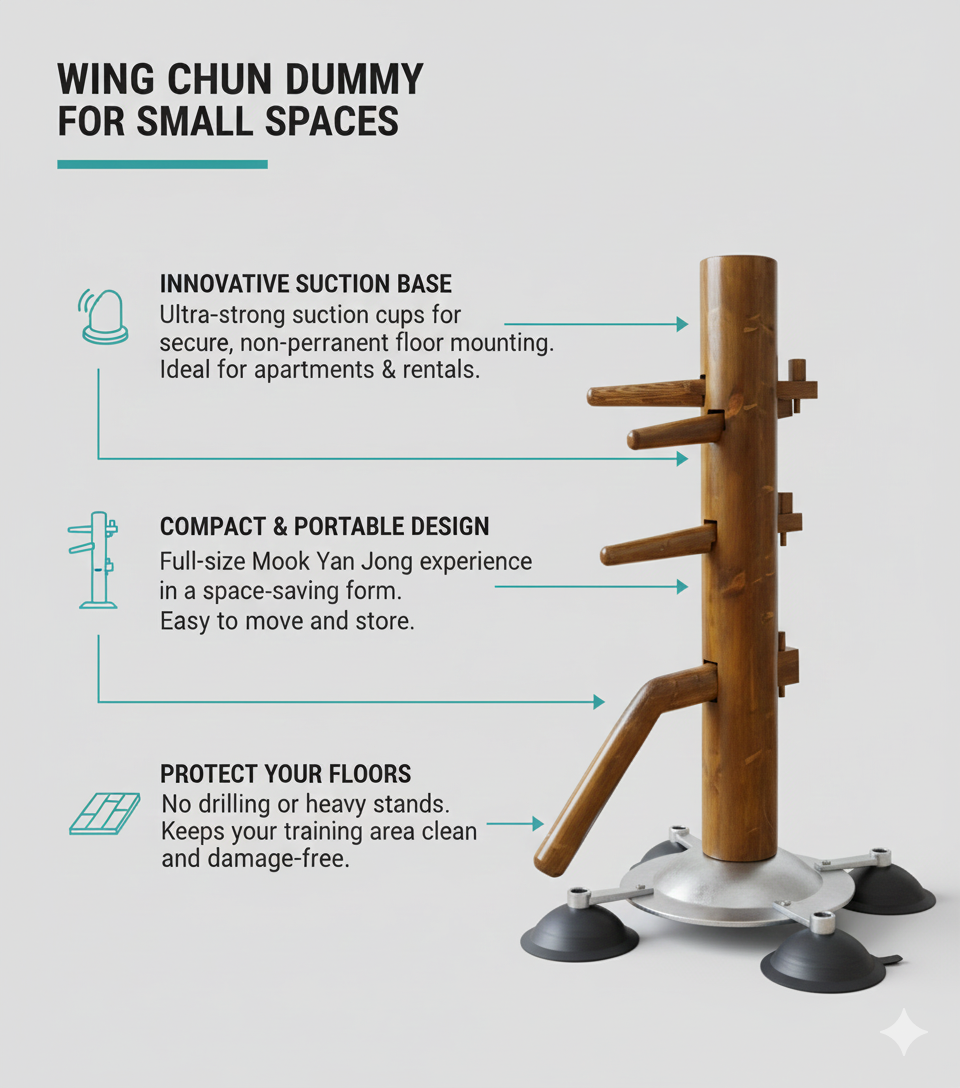
The Feedback Mechanism
In a traditional dummy, the recoil comes from the frame’s flexibility. In a suction cup dummy, the feedback is a combination of two elements:
- The Suction Bond: This provides a rigid, unmoving base, which is excellent for training the initial structural integrity of your stance and strikes. Any lateral force that breaks the suction is a clear indication of poor form.
- Internal Springs: Many modern suction cup models incorporate internal springs in the arms or the central post. These springs simulate the “give” and recoil of a traditional dummy, allowing the practitioner to practice the chain punching and force borrowing principles.
The limitation is that the suction cup model cannot fully replicate the full-body movement and subtle sway of a heavy, free-standing dummy. 🛑
It is a more static training partner, which means the practitioner must be more disciplined in simulating the footwork and body mechanics that would normally be guided by the dummy’s movement. 🧠
This video discusses the pros and cons of free-standing dummies, which helps contextualize the compromises made by suction cup models. 🎥
Alternative: The Wall-Mounted Dummy
For those with a permanent wall space, the wall-mounted dummy remains the gold standard for small-space training. 🏆
While it is not portable like the suction cup model, it offers a more authentic training experience by bolting directly to a load-bearing wall. 🧱
The wall-mounted dummy often includes a spring-loaded frame that provides the crucial lateral movement and recoil, more closely mimicking the traditional dummy feedback. 🔄
The choice between suction cup and wall-mounted often comes down to the permanence of the training space:
- Suction Cup: Ideal for renters, temporary spaces, or those who need to pack away the dummy daily.
- Wall-Mounted: Ideal for homeowners or those with a dedicated, permanent training corner.
Training Principles for Small-Space Dummies
Training on a compact dummy requires a shift in focus to maximize the benefits and compensate for the lack of full-body movement. 💡
The practitioner must prioritize precision and internal mechanics over external power. 🎯
Drill 1: The Zero-Movement Test
This drill is specifically designed for the suction cup dummy. The goal is to perform the entire Mook Yan Jong form without causing the dummy to lose suction or shift its position. 🚫
This forces the practitioner to use internal power and correct structural alignment rather than relying on brute force or external pushing. 🧠
Any lateral force or excessive pushing will cause the suction to fail, providing immediate, clear feedback that the practitioner’s structure is compromised. 🚨
This is an excellent way to train the Wing Chun principle of “sticking and adhering” without fighting the opponent’s force. 🤝
Drill 2: Footwork Visualization
Since the small-space dummy limits the range of motion for footwork, the practitioner must focus on visualizing the full footwork sequence while only executing the essential steps. 👣
For example, when practicing the Chum Kiu (Seeking the Bridge) section, the practitioner should execute the turning and stepping motions with minimal movement, focusing the energy transfer through the hips and stance. 🔄
The suction cup dummy is perfect for this, as it demands that the footwork be precise enough to maintain the correct angle of attack without requiring a large physical step. 📐
The small space forces the practitioner to internalize the footwork, making the movement more subtle and efficient—a key element of advanced Wing Chun. 🚀
This video shares simple drills focusing on footwork and position, which are essential for maximizing the benefits of a small-space dummy. 🎥
Comparison: Suction Cup vs. Wall Mount
Choosing the right small-space dummy depends on balancing authenticity with convenience. ⚖️
| Feature | Suction Cup Dummy | Wall-Mounted Dummy |
|---|---|---|
| Space Requirement | Zero footprint when stored; minimal space when in use. | Requires a permanent wall section; minimal floor space. |
| Portability | Highly portable; can be moved and set up in minutes. | Not portable; fixed installation. |
| Structural Feedback | Static base, relies on arm springs for recoil; excellent for testing lateral force. | Spring-loaded frame provides authentic lateral movement and recoil. |
| Installation | Tool-free; requires a smooth, clean surface. | Requires drilling and permanent mounting hardware. |
| Best For | Renters, temporary setups, and internal power drills. | Homeowners, dedicated training, and full-form practice. |
Conclusion: The Future of Compact Training
The suction cup Wing Chun dummy is a testament to the adaptability of martial arts training in the modern world. 🌍
It proves that authentic Mook Yan Jong practice is not limited by the size of your home, but by the dedication of your spirit. 💡
While it may not perfectly replicate the feel of a 200-pound traditional dummy, the suction cup model excels at training the core principles of precision, structural integrity, and economy of motion. 🎯
By choosing a model with quality suction and spring-loaded arms, and by focusing your training on the Zero-Movement Test, you can achieve a level of mastery that transcends the limitations of your space. 🏆
The key is to use the dummy’s limitations as a teacher, forcing you to be more structurally sound and efficient than ever before. 💯
Embrace the compact solution, and let your small space become the perfect laboratory for your Wing Chun journey. 🙏
References
[1] Wooden Dummy Upright Suction Cup – Ray Hanas
[2] Wall-Mounted Wing Chun Dummy – Portable Martial Arts Training Tool – Amazon
[3] Dummies – Wushuguan (mentioning suction cup base)
[4] 8 Best Wing Chun Dummies 2020 – YouTube
[5] What Bag/Dummy to Buy for Punching Practice in an Apartment? – Reddit