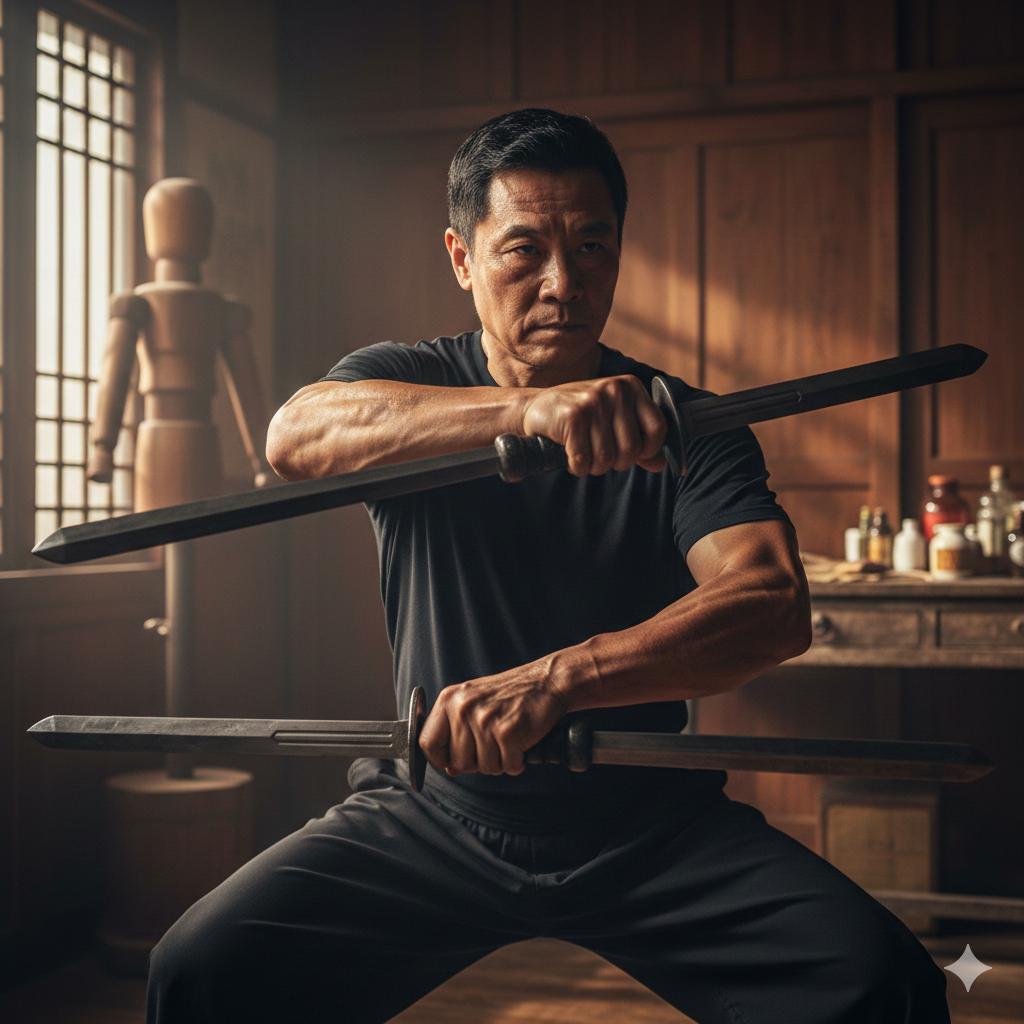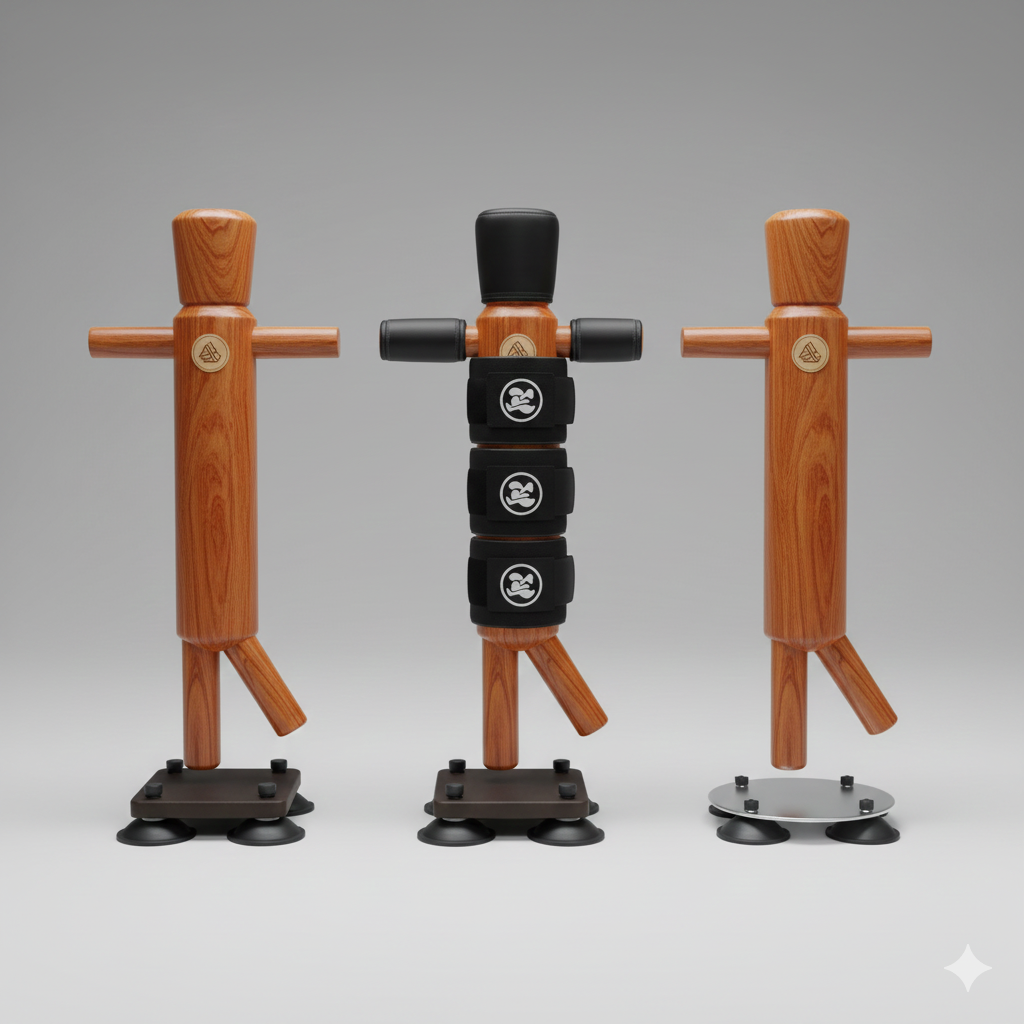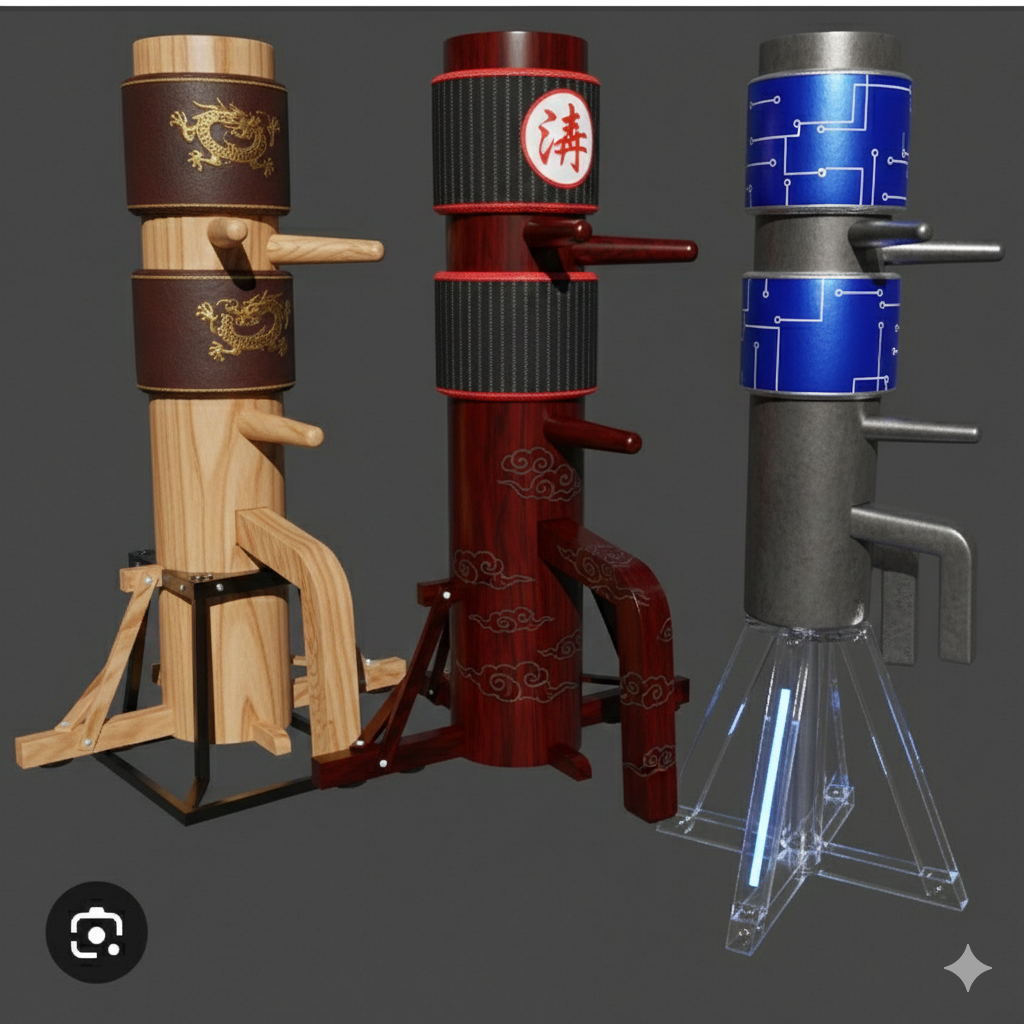
The Mook Yan Jong, or Wooden Dummy, is arguably the most iconic and essential training tool in the Wing Chun system.
It is a silent partner that provides immediate, unyielding feedback on your structure, angles, and power generation.
However, the very nature of its solid, unmoving wood can present a significant challenge, particularly to the hands and forearms of a dedicated practitioner.
This is where the often-overlooked accessory—the dummy pad cover—steps in, transforming a potentially brutal training session into a sustainable and progressive practice.
The Critical Role of Dummy Pad Covers in Safety
Safety in martial arts training is paramount, and the Wooden Dummy is no exception.
Repetitive impact on bare wood can lead to a host of issues, ranging from minor abrasions and bruising to more serious long-term joint problems.
Dummy pad covers are designed to mitigate this risk.
They provide a layer of cushioning that absorbs some of the shock, allowing you to train with the necessary intensity without causing undue damage to your hands and wrists.
This protection is not about softening the training; it is about enabling consistent, high-volume practice.
Without them, many practitioners find themselves sidelined with injuries, which ultimately hinders progress.
The pads allow for the development of bone and tendon conditioning over time, a process that should be gradual and controlled, not sudden and traumatic [1].
Beyond Protection: Conditioning and Feedback
While safety is the primary concern, a good set of dummy pads offers more than just injury prevention.
They play a subtle but important role in conditioning.
The slight give of the pad material—often high-density foam or thick canvas—provides a different kind of feedback than bare wood.
This feedback encourages the practitioner to maintain proper structure and alignment upon impact.
If your technique is sloppy, the pad will often shift or compress unevenly, immediately alerting you to a flaw in your structure.
This is a form of self-correction that is invaluable in solo training.
Furthermore, the texture and material of the pad can simulate the feel of striking a padded target or even a person wearing clothing, making the transition from dummy practice to partner work more seamless.
The best pads are those that are firm enough to demand structural integrity but forgiving enough to allow for extended training sessions [2].
Exploring Advanced Accessories for the Wooden Dummy
The Wooden Dummy is a versatile tool, and its utility can be greatly expanded with advanced accessories.
These additions move the training beyond the standard form and into more specialized, application-focused drills.
One popular accessory is the spring-loaded arm attachment, which introduces a dynamic, yielding element to the dummy [3].
Unlike the traditional static arms, these attachments recoil and move, forcing the practitioner to maintain constant forward pressure and adapt to a moving target, simulating the energy of a resisting opponent.
Another advanced tool is the use of specialized striking surfaces, such as small, dense pads placed on the trunk to practice precision striking to vital areas.
These accessories are not replacements for the traditional dummy but are enhancements that allow for a deeper exploration of Wing Chun principles.
They help bridge the gap between the static form and the dynamic reality of combat.
Integrating Short-Term, High-Intensity Training
To maximize the benefits of your dummy training, it is highly effective to incorporate short-term, high-intensity drills.
This approach focuses on bursts of speed, power, and precision, rather than long, drawn-out sessions.
A typical short-term drill might involve a three-minute round where you execute a specific sequence—such as a Bong Sau to Tan Sau combination—with maximum speed and structural integrity.
The goal is not to complete the entire form but to perfect a small, critical segment.
This method is excellent for developing explosive power and muscle memory under fatigue.
The use of dummy pads is particularly beneficial here, as the high-impact nature of these drills requires the added protection to prevent injury.
These short, focused sessions can be easily integrated into a busy schedule, making consistent practice more achievable.
The key is to maintain absolute focus and quality of movement throughout the short duration [4].
Choosing the Right Pad Covers and Accessories
Selecting the right equipment is crucial for an optimal training experience.
When choosing dummy pad covers, look for materials that are durable, such as heavy-duty canvas or high-quality PU leather.
The padding should be dense enough to offer protection but not so thick that it completely negates the feedback from the wood.
The fit is also important; the pads should wrap securely around the arms and trunk without slipping during vigorous practice.
For advanced accessories, consider your specific training goals.
If you are focusing on continuous forward energy, a spring-arm attachment is a worthwhile investment.
If your focus is on precision and targeting, smaller, specialized pads can be more effective.
Always prioritize quality and durability, as these tools will endure thousands of strikes over their lifespan.
A well-chosen set of accessories can significantly enhance the depth and variety of your Wooden Dummy practice, making it a more comprehensive and rewarding part of your Wing Chun journey [5].
Summary of Dummy Pad Benefits
| Benefit Category | Key Advantage | Impact on Training |
|---|---|---|
| Injury Prevention | Reduces shock and impact on joints. | Enables longer, more consistent training sessions. |
| Conditioning | Allows for gradual, controlled bone and tendon hardening. | Builds resilience without immediate trauma. |
| Feedback | Highlights structural flaws through uneven compression. | Promotes self-correction and better technique. |
| Versatility | Can be combined with advanced accessories like spring arms. | Expands the range of drills and applications. |
The decision to use dummy pad covers is a choice for longevity and quality in your Wing Chun practice.
They are a small investment that yields significant returns in safety, conditioning, and the overall effectiveness of your Mook Yan Jong training.
Embrace the accessories that allow you to train smarter, harder, and for many years to come.