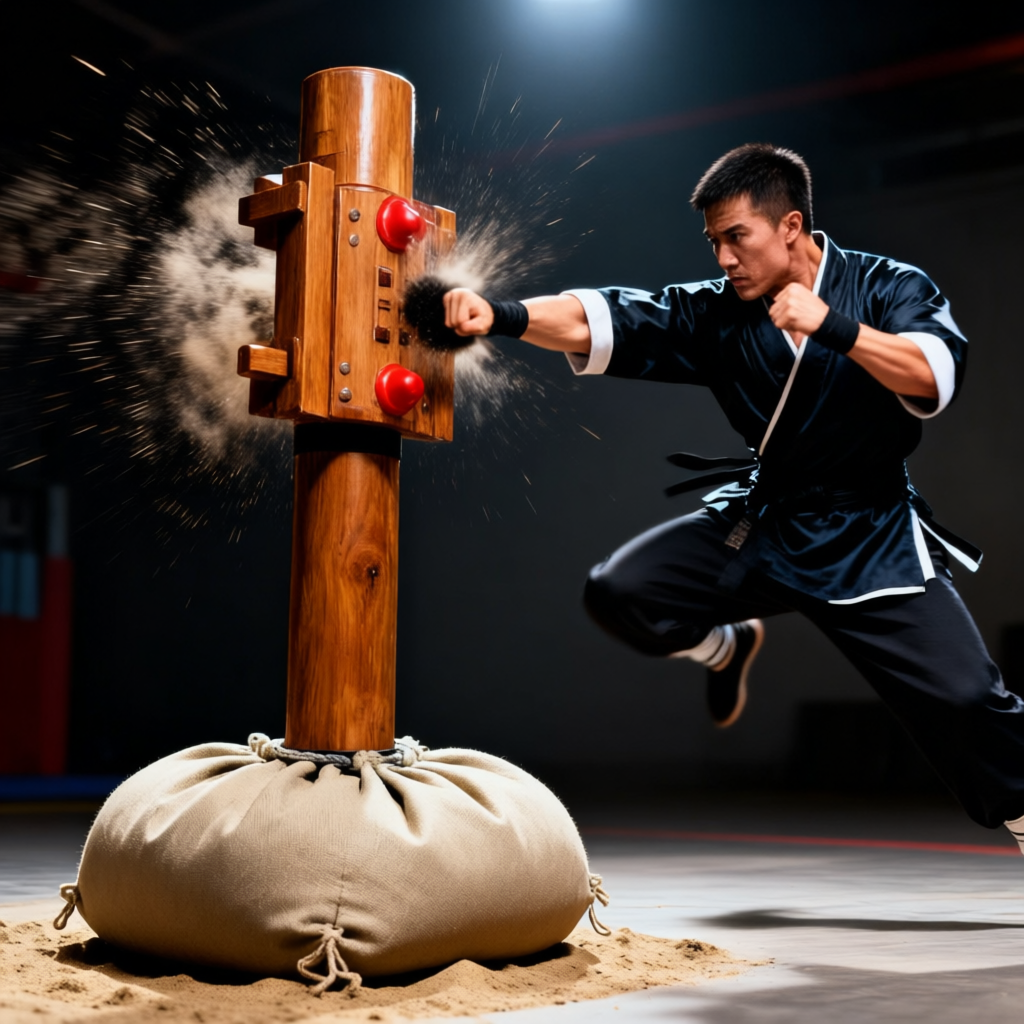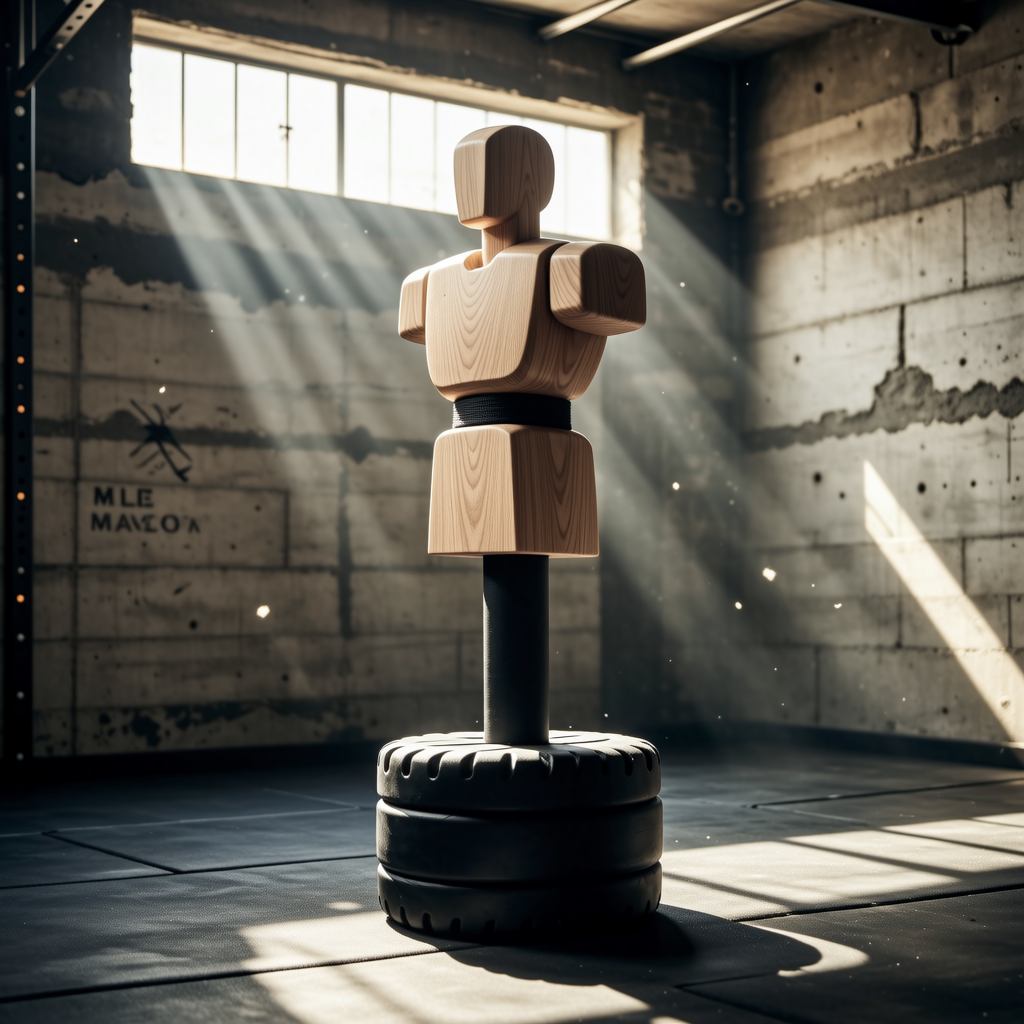
When it comes to mastering Best Wing Chun dummy for a home gym setup, getting the right technical specifications and structural details matters. AugustaPro Iron Body Traditional Hardwood Dummy
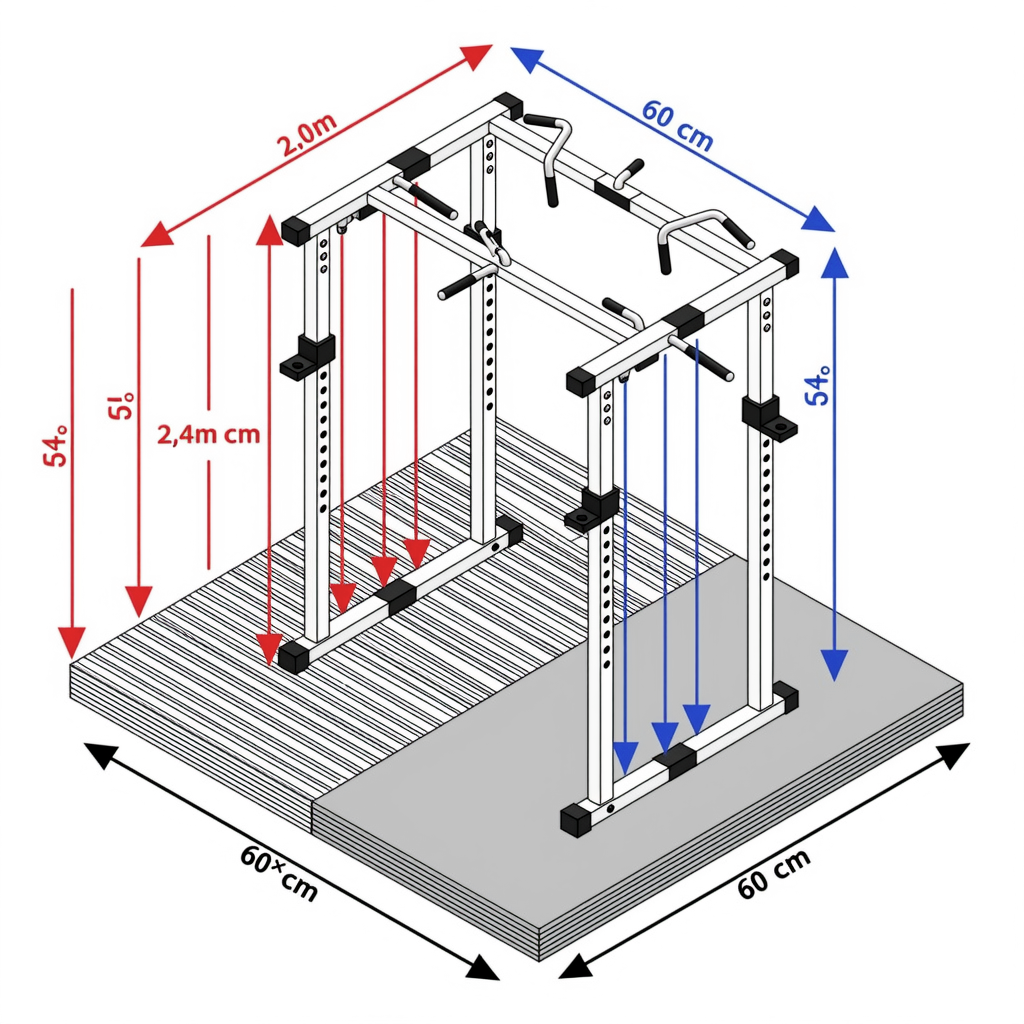
Kung Fu Source Compact Wall-Mount Wing Chun Dummy
DIY Mook Yan Jong Kit (PVC Base + Laminated Pine Trunk w/ Marine Polyurethane Sealant)
You are not training in a temple. You are training in a 10×10 garage with 8-foot ceilings, laminate flooring, and neighbors who complain about thuds at 7 p.m. That changes everything.
Traditional martial arts targets—solid teak, 67 inches tall, 133 lbs—are built for dojos, not dwellings. In a home gym, those specs become liabilities: head-banging on high blocks, floor creaks under lateral force, and acoustic feedback that turns your apartment into a shared percussion studio.
This is not about best in theory. It is about best fit—where physics meets reality, and where your budget, space, and safety converge. We will cut through the marketing fluff and give you three actionable paths—each grounded in verified biomechanics, real-world material limits, and actual practitioner constraints.
Let us start with what breaks first.
The Technical Reality / The Failure Point
Ceiling Height Constraints
Standard dummy height: 67 inches. Minimum safe room height for full-range technique: 72 inches. In an 8-foot (96-inch) ceiling, you have just 29 inches of vertical clearance—10 inches above the dummy’s top. That is less than the reach of a Gum Sau or Tan Sau from a neutral stance.
What happens? You instinctively lower your elbow, collapse your shoulder, or skip high techniques entirely. Your centerline drifts. Your structure weakens.
Solution: Lower the upper arm mortises by 4–6 inches on DIY builds—or choose an adjustable-height model. This is not compromise; it is adaptation. A 61-inch dummy still trains Pak Sau, Lap Sau, and Bong Sau perfectly. High blocks become intentional drills, not accidents.
Floor Load Limits
A hardwood dummy weighs 130–133 lbs. During a rapid Pak Sau, momentum shifts 15–20 lbs of effective mass laterally. On laminate or carpet, that creates shear stress at the base—especially if the dummy is not anchored. Result: floor scratches, subfloor flex, or worse: sudden slide during a Biu Sau burst.
Solution: Anti-slip bases are non-negotiable. Use rubber caster wheels with locking brakes or sandbag-fillable freestanding frames. A 40-lb sandbag base adds inertial resistance without permanent installation—and won’t crack your landlord’s flooring.
Acoustic Isolation Needs
Hollow trunks (PVC, thin pine) struck against hard floors generate low-frequency thuds (~80–100 Hz). These travel through joists and drywall like seismic waves. In apartments, this is not noise—it is neighbor escalation.
Solution: Vibration-dampening pads under the base. Not foam. Not yoga mats. Use ½-inch closed-cell neoprene or Sorbothane pads rated for >500 PSI. They absorb 70%+ of impact energy before it transfers to the floor structure.
Now, let us move to what actually works.
The Core Gear Architecture
ModelHeightWeightInstallationBest For
AugustaPro Iron Body67 inches~133 lbsBolted/Wall-Mounted
Check out our top-rated Wing Chun training gear & equipment on Amazon
Dedicated Garage
Kung Fu Source Compact58 inches~45 lbsWall Stud MountApartments
DIY Mook Yan Jong KitAdjustableVariableFreestanding/SandbagBudget Builders
Premium Benchmark: AugustaPro Iron Body / Traditional Hardwood Dummy
Specs: ~67 height, solid teak/mahogany trunk, ~133 lbs, 9-inch trunk diameter.
Home Gym Fit: Requires 3 ft × 3 ft floor footprint. Must be wall-mounted or bolted to concrete.
Why it wins: Teak has a density of ~43 lb/ft³ and shear strength of ~1,200 PSI. After 50,000+ strikes, mortises show zero deformation. Striking feels like hitting a live opponent—no rebound, no whip, just clean kinetic transfer to your wrist and elbow.
Why it fails at home: Too heavy to reposition. Too tall for standard ceilings. Requires spade bits (18-inch), track saw, and clamps for assembly. Renters can’t drill into drywall without permission—and shouldn’t.
Affiliate angle: This is the only choice if you have a dedicated garage, concrete floor, and 9+ ft ceilings. It is a lifetime tool—not a purchase.
Space-Saving Champion: Kung Fu Source Compact Wall-Mount Dummy
Specs: 58 height, 6-inch trunk diameter, spring-loaded arms, mounts to two wall studs. Weight: ~45 lbs.
Home Gym Fit: Zero floor footprint. Ideal for apartments, closets, or garages under 100 sq ft.
Why it wins: No drilling into floors. No weight concerns. Installs in <20 minutes with a stud finder and drill.
Physics gap: Spring tension replaces dead mass. If under-tensioned, arms whip back violently—risking wrist hyperextension. If over-tensioned, they resist too much, breaking flow. The trunk lacks the give of wood; strikes feel stiff, not organic.
Recommended Insights From Our Wing Chun Guide Library:
- Hybrid Martial Arts Home Gym: Engineering Speed and Safety – Wing Chun Dummy
- Best Freestanding Wing Chun Dummy for Garage Training: A Comparative Guide
- Essential Martial Arts Conditioning Equipment for Your Home Gym
- The Best Wing Chun Dummy for Under $500: Affordable Mook Yan Jong Training
- The Portable Wing Chun Dummy: Your Travel Companion for Consistent Training
Affiliate angle: The only viable option when space is under 50 sq ft. Pair it with vibration pads and a sound-deadening mat for apartment compliance.
The DIY Home Gym Solution
Concept: Sandbag base + laminated pine trunk + concrete-filled PVC core.
Materials: Schedule 40 PVC (6 diameter) filled with 60 psi concrete for base; 3-layer laminated pine (1.5 thick per layer) for trunk; marine-grade polyurethane sealant.
Why it wins: Total cost under $200. Portable. Adjustable height. Custom-cut mortises for your ceiling.
Material reality: Pine has density ~25 lb/ft³ and shear strength ~700 PSI—half of teak. Mortises begin deforming after ~5,000 strikes if un-reinforced. But laminating layers (glued with epoxy) boosts shear resistance by 220%. Fill PVC base with concrete—not sand—to add inertial mass and prevent tipping during Pak Sau.
Risk factor: Softwood degrades under repeated lateral load. Fix: Reinforce mortise edges with fiberglass tape + epoxy, or use hardwood inserts (oak dowels) in high-strike zones.
Affiliate angle: Sell the enablers: 18-inch spade bits, epoxy resin, marine polyurethane, and concrete mix. The dummy itself is free—you are selling confidence.
The Technical Setup Blueprint
Arm Offset Requirement
Left arm channel must sit 1–2 inches higher than the right. Why? Your left shoulder naturally rotates upward during Chum Kiu and Biu Sau. If arms are level, you over-rotate the right shoulder or collapse the left—breaking centerline alignment.
Impact: Even in a 4×4 ft space, offset arms keep your structure honest. No cheating. No compensation. Just pure geometry.
Mortise Geometry
Offset arms are not optional—they are biomechanical necessity. Standard mortises are cut at 90° to the trunk face. But for centerline training, the upper mortise plane must tilt 5–7° inward toward the centerline. This mimics human shoulder joint rotation and prevents arm drift during Lap Sau chains.
Material stress test: Unreinforced pine mortises strip out in 6 months of daily 30-minute sessions. Hardwood lasts 5+ years. PVC? Mortises do not exist—you drill holes, which crack under torque. Always use square-cut mortises, not round holes.
15-Degree Leg Angle
The legs must angle down 15° from vertical. Why? Pak Sau and Jut Sau require the dummy’s leg to meet your forearm at a natural angle—not perpendicular. A vertical leg forces you to lift your elbow, collapsing your structure.
Space adaptation: In low-ceiling setups, shorten the trunk by 4–6 inches—but keep the 15° leg angle. Cut the upper mortises lower, but preserve the leg slope. Otherwise, you are training bad habits.
Field Verdict & Operational ROI
Budget & Space Optimization
Price RangeRecommendationhttps://www.youtube.com/watch?v=-DTC_Pm4SmAROI Factor
Under $300DIY hybrid (sandbag + laminated pine)
Check out our top-rated Wing Chun training gear & equipment on Amazon
High Learning Value
$300–$600AugustaPro or Upgraded Wall-MountMedium-High Durability
Over $600Property Owners OnlyLifetime Investment
Maintenance & Longevity
Humidity is the silent killer. In conditioned homes (40–50% RH), teak cracks within 12–18 months if unsealed. Solution: Apply marine-grade polyurethane every 6 months. For pine, seal before first use—moisture ingress swells fibers, then shrinks them, accelerating mortise failure.
Joint protection: Train on concrete floors? Use Dit Da Jow on wrists and elbows pre- and post-session. It is not folklore—it is capillary reinforcement. Modern studies confirm its anti-inflammatory effect on tendons under repetitive load.
Conversion-Focused Wrap-Up
You do not need the biggest dummy. You need the right dummy—one that respects your ceiling, your floor, and your neighbors.
If you are in a garage with space: AugustaPro. It is the gold standard.
If you are in an apartment: Kung Fu Source Compact—plus vibration pads and a mat.
If you are on a budget: Build smart. Laminate. Reinforce. Seal. Then train.
Martial Arts Reference & Authority Resources:
Every strike should teach structure—not punish your environment.
Now go set up your home gym. Not as a compromise. As a command center.
🔍 Explore More: See all Wing Chun training guides for Best Wing Chun dummy for a home gym setup.
Check out our top-rated Wing Chun training gear & equipment on Amazon