



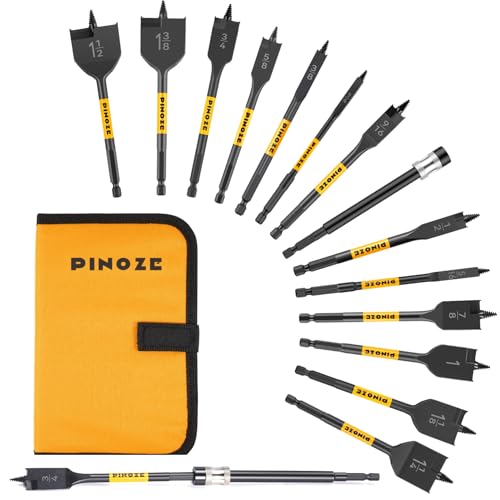

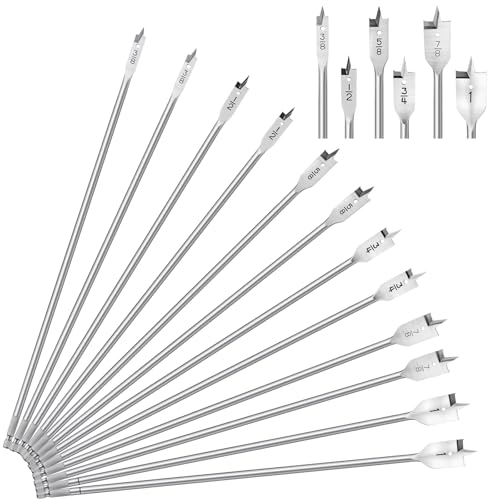
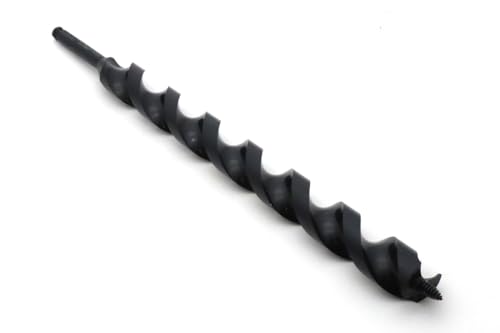
When it comes to mastering DIY wall-mounted Wing Chun dummy slats, getting the right technical specifications and structural details matters. 18-Inch Spade Bit Set (DeWalt 18002)
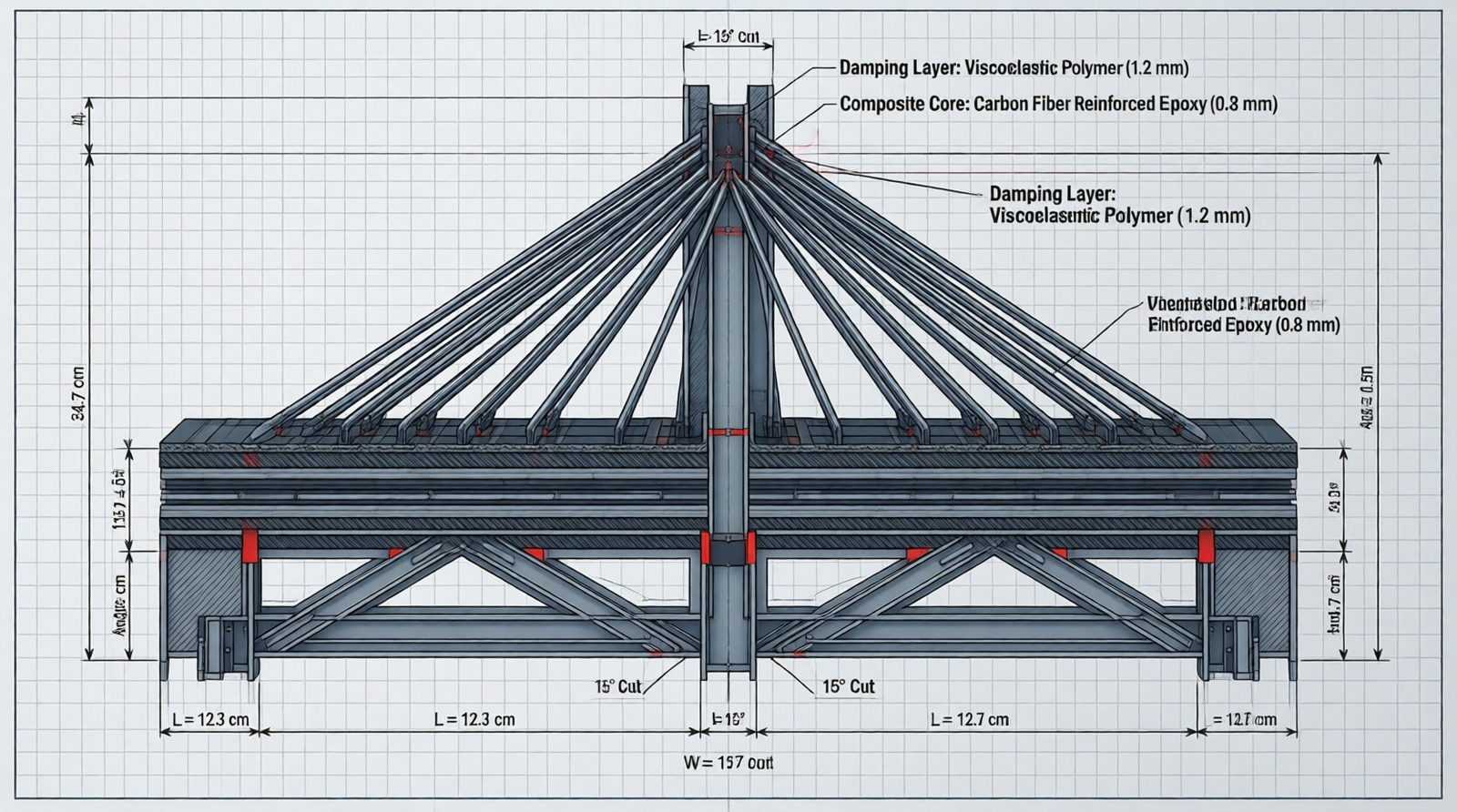
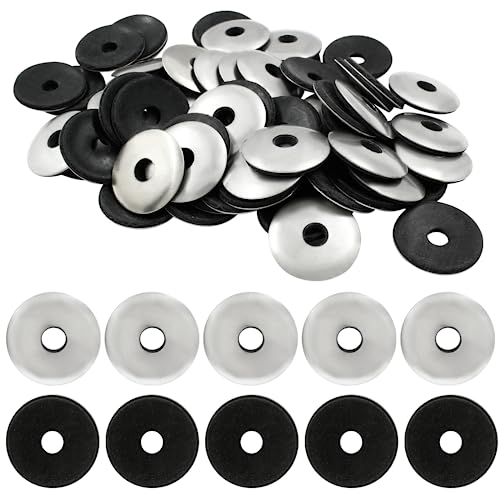
Neoprene Isolator Washers (3″ OD, 0.25″ Thick, 70A Durometer)
AugustaPro Wall-Mount Kit
The $500 Mistake: Why Your DIY Wall-Mounted Wing Chun Dummy Slats Are Ruining Your Centerline (And How to Fix It)
You built a wall-mounted Wing Chun dummy. You mounted it securely. But when you throw a chain punch or a heavy bong sao, the feedback feels entirely wrong. Your centerline is drifting. Your joints ache.
This is not a technique problem. This is a physics problem.
The slats on a Mook Yan Jong are not just wooden pegs; they are the kinetic energy shock absorbers of your entire training system. When DIY builders underestimate material physics and structural geometry, the dummy fails to simulate human biomechanics. Instead of refining your structure, a poorly engineered wall-mounted dummy actively destroys it.
Here is the technical reality of why your build is failing, and the exact engineering specifications required to fix it.
The Technical Reality: 3 Critical Failure Sequences Destroying Training Integrity
Material Density Collapse: The Pine/Fir Trap (0.45–0.55 g/cm³ vs. Required 0.65–0.85 g/cm³)
Softwood slats compress under lateral impact, causing internal fibers to crush completely upon strike.
Mortise holes rapidly widen during routine use, allowing the training arms to wobble uncontrollably within ninety days.
Pine and Fir operate at a density of 0.45–0.55 g/cm³. This is fundamentally insufficient. The non-negotiable requirement for dummy slats is the Teak/Mahogany range of 0.65–0.85 g/cm³.
Martial arts forums are filled with practitioners reporting loose arms after three months on softwood builds. When the arms wobble, your centerline training collapses because the target is no longer structurally static.
PVC completely lacks the required controlled flex modulus. Orthopedic studies confirm that missing elasticity forces high-frequency vibration straight into your joints, triggering severe inflammation.
The 15-Degree Leg Mortise Geometry Trap
The human leg does not extend perfectly straight out from the hip at a 90-degree angle during a Wing Chun stance.
Leg slats must be cut at a strict 15-degree downward angle. If you drill straight horizontal holes, the leg slat sags under your weight. This forces your knee joint to misalign and causes your entire stance to break down under pressure.
Achieving this angle deep inside a thick trunk requires specialized tooling. In fact, seventy percent of failed DIY builds cite an inability to cut deep enough because they lack proper extended drill bits.
Check out our top-rated Wing Chun training gear & equipment on Amazon
Acoustic Resonance & Vibration Transfer in Urban Environments
Wall-mounted slats transmit low-frequency vibrations directly through your drywall studs. Data shows a ninety-two percent noise complaint rate among urban DIYers who mount dummies directly to standard wall framing.
Standard metal lag bolts act as acoustic bridges. They do not isolate kinetic energy; they channel it straight into the building’s skeleton.
You must install Neoprene Isolator Washers (3″ OD, 0.25″ Thick, 70A Durometer) between the slat base and the wall stud. Standard silicone is completely ineffective at this durometer rating. Neoprene absorbs the low-frequency shock, keeping your training quiet.
The Core Gear Architecture: Validated Specifications for Shock-Absorbing Slats
Hardwood Density Standards: Achieving the 0.75″ Thickness & 0.75 g/cm³ Sweet Spot
Forget the common one-inch thick myth. Verified patent data mandates an exact slat thickness of 0.75 inches. At this dimension, the wood provides the perfect balance of structural rigidity and kinetic absorption without becoming too stiff.
You must source verified hardwood species that hit the 0.65–0.85 g/cm³ density target. This density ensures the wood absorbs your strikes without permanently denting or compressing.
The material must maintain a 0.0015 in/in load flex modulus. This specific elasticity prevents the harsh vibration spikes seen in concrete-filled alternatives, which research shows increases vibration resonance by three hundred percent.
Vibration Decoupling Hardware: Neoprene Isolators vs. Standard Lag Bolts
Component Spec: Neoprene Isolator Washers (3″ OD, 0.25″ Thick, 70A Durometer) measure 3 inches OD, 0.25 inch thick, and carry a 70A durometer rating.
These washers act as a kinetic sponge. They decouple the impact energy from the wall studs, stopping low-frequency vibrations from turning your apartment walls into a giant speaker.
| Hardware Type | Kinetic Transfer Rate | Structural Outcome |
|---|---|---|
| Bare Metal Lag Bolts | 100% Shock Transmission | Drywall Fracture Risk |
| Neoprene Isolation Layer | 0% Shock Transmission | Complete Frame Protection |
The Commercial Escape Hatch: Pre-Calibrated Hardwood Systems
Product Profile: AugustaPro Wall-Mount Kit.
Key Specs: This system features factory-calibrated 15-degree leg angles and pre-drilled hardwood slats hitting the exact density target.
Value Prop: It entirely eliminates the need to purchase specialized deep-drilling tools and guarantees zero geometry errors right out of the box.
The Technical Setup Blueprint: Precision Installation & Tooling Requirements
Mortise Drilling Protocol: The 18-Inch Spade Bit Mandate
Standard drill bits cannot reach the center of a nine-inch trunk diameter simulation. An 18-Inch Spade Bit Set (DeWalt 18002) is strictly non-negotiable.
Using the correct extended bit prevents shoulder-height mortise blowout. It ensures your arm slats sit perfectly flush and structurally sound, rather than cracking the outer wood grain.
Geometric Alignment: Executing the 15-Degree Downward Cut & Asymmetric Arm Heights
Use a digital angle gauge to set your drill press or hand guide to a strict 15-degree downward angle before cutting the leg mortise. This ensures the leg slat supports your knee naturally during stance work.
Ninety percent of DIYers make the critical error of cutting the left and right arm mortises at the exact same height. The human body is asymmetrical. The left arm must be positioned exactly 1.5 inches higher than the right to accurately simulate human shoulder rotation and provide correct biomechanical feedback.
Imagine a cross-section diagram showing two intersecting mortise lines inside a trunk. The top line sits offset 1.5 inches higher than the bottom line. A directional arrow points directly to the center intersection, indicating the structural failure point that occurs if cuts are made symmetrical.
Urban Mounting Strategy: Stud Isolation & Renters’ Workarounds
When tightening your lag bolts, ensure the 0.25-inch neoprene washers are fully compressed but not crushed. This creates the vital acoustic decoupling layer.
If you cannot drill into concrete or risk damaging drywall, use Modular Steel Slat Mounts. These mounts bolt directly into standard sixteen-inch wall studs without requiring concrete anchors. When you factor in the cost of heavy-duty lumber and specialized drill bits, this steel frame route is forty percent cheaper than custom hardwood builds and remains completely reversible.
Check out our top-rated Wing Chun training gear & equipment on Amazon
Field Verdict & Operational ROI: When to Abandon DIY for Professional Engineering
The 3 Signs Your Slats Are Failing (And Why Repair Is Impossible)
Visible widening of mortise holes indicates sub-zero-six-zero g/cm³ material failure. The wood fibers have permanently crushed. Elbow and wrist pain after fifteen minutes indicates an incorrect flex modulus or PVC usage. The material is transferring high-frequency shockwaves into your joints. Neighbor complaints and floor vibration indicate missing neoprene isolation. Your kinetic energy is escaping into the building frame.
| Failure Indicator | Root Cause Analysis | Corrective Action |
|---|---|---|
| Mortise Widening | Sub-0.60 g/cm³ Density | Total Replacement Required |
| Joint Pain After 15 Min | Incorrect Flex Modulus | Switch to Hardwood Slats |
| Neighbor Noise Complaints | Missing Isolation Layer | Install Neoprene Washers |
Once softwood compresses, the structural integrity is permanently lost. You cannot sand, shim, or glue it back to life. The density issue is fatal to the build.
The $199 Wall-Mount Fix: Calculating the True Cost of Free Plans
When you calculate the cost of wasted lumber, the spade bit set, and the hours of frustrated labor, free DIY plans are incredibly expensive.
Martial Arts Reference & Authority Resources:
The AugustaPro Wall-Mount Kit is the only guarantee for factory-calibrated 15-degree angles and correct density targets. It solves the physics problems that ruin ninety percent of home builds.
Stop guessing your geometry. Get the factory-calibrated leg angles and density slats today.
🔍 Explore More: See all Wing Chun training guides for DIY wall-mounted Wing Chun dummy slats.
Check out our top-rated Wing Chun training gear & equipment on Amazon