When it comes to mastering Wing Chun dummy drills for children’s classes, getting the right technical specifications and structural details matters. Youth Martial Arts Gloves (4oz–6oz, Neoprene Padding)
Junior Synthetic Wing Chun Dummy (48″–54″, <80 lbs, Rubber-Coated Trunk)
Small Rattan Rings (6–8 inch Diameter, Solid Bamboo Core)
Wing Chun Dummy Drills for Kids: Safe Training Gear & Techniques for Growing Warriors
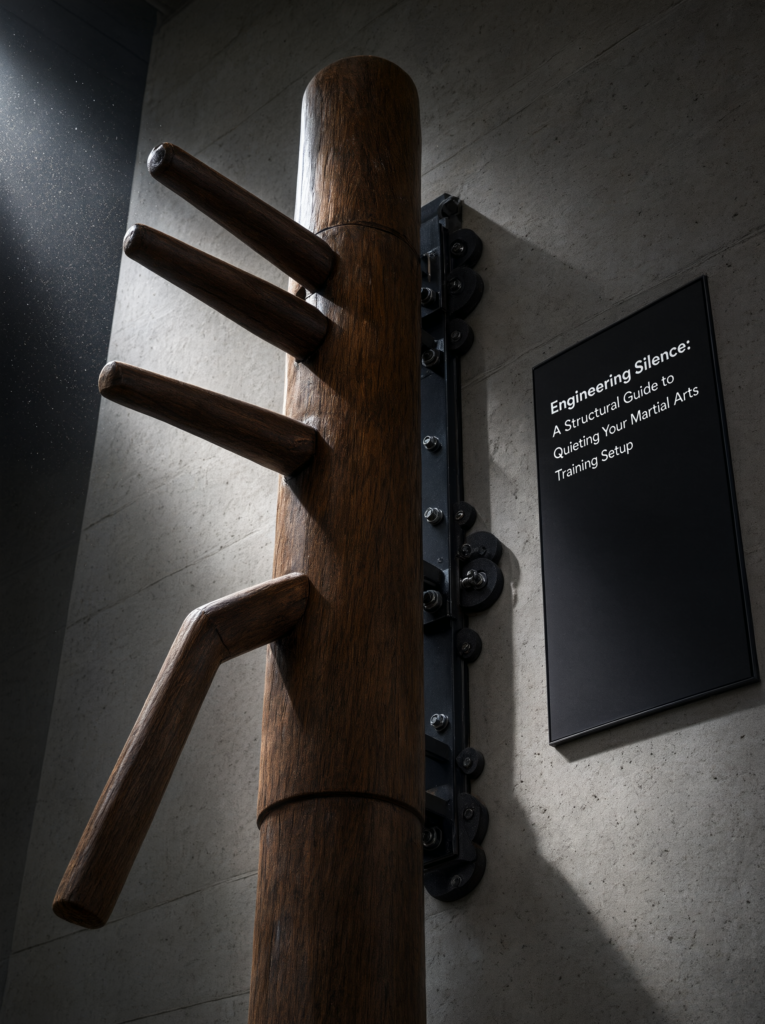
Let’s be clear from the start: traditional Wing Chun dummy training was never designed for children. The standard 67-inch hardwood Mook Yan Jong—weighing 130 to 200 pounds, with a rigid 9-inch-diameter trunk and mortised arms set at precise 15° downward angles—is engineered for adult bone density, joint maturity, and neuromuscular control. For a child aged 6 to 12, that same structure becomes a liability. Their growth plates epiphyses at wrists, elbows, and knees are still open soft cartilage, not fused bone. A single mis-timed Pak Sau on an unyielding wooden arm can transmit high-frequency vibration directly into those vulnerable zones. Over time, this risks physeal microfractures or even Osteochondritis Dissecans—a condition where bone and cartilage detach from the joint surface. This isn’t theoretical. It’s biomechanics in action. And it’s why every youth Wing Chun program must begin not with tradition, but with adaptation.
The Technical Reality / The Failure Point
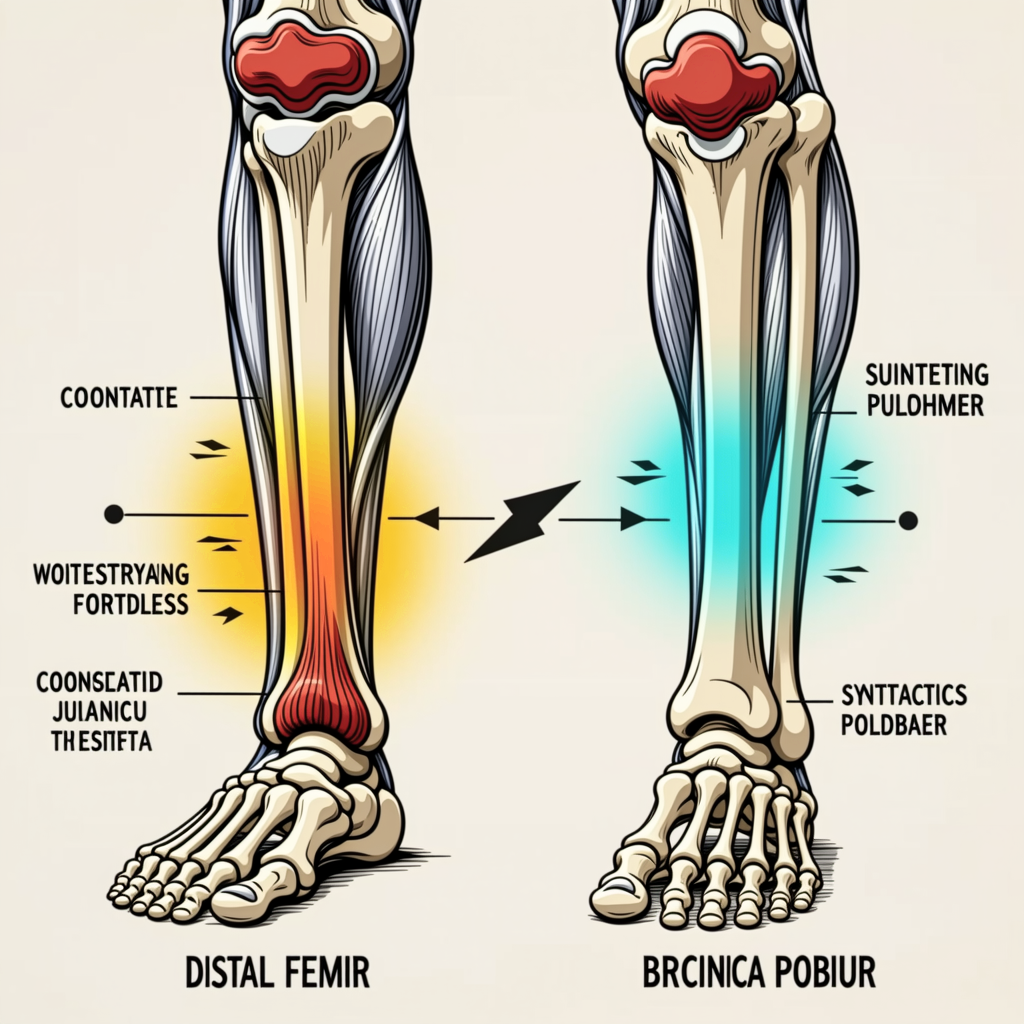
Children’s skeletal systems operate under fundamentally different physics than adults. Bone mineral density in pre-adolescents is only 30–50% of adult levels. That means impact tolerance is drastically lower—not just in magnitude, but in frequency. A standard hardwood dummy delivers near-zero shock absorption. When struck, its trunk behaves like a dead mass: kinetic energy reflects back into the striker’s limb with minimal dissipation. For an adult, this builds resilience. For a child, it overloads immature ligaments and growth plates.
Softwood trunks e.g. Pine or Fir seem like a fix—but they fail structurally. Pine has a shear strength of ~1,000 PSI versus Oak’s ~2,000 PSI. Under repeated lateral strikes, softwood deforms permanently, warping the critical centerline geometry. Worse, its higher flex modulus relative to impact area means the trunk bends elastically—creating unpredictable rebound that teaches poor timing and wrist collapse. Hollow PVC? Even riskier. Its thin walls transmit vibration efficiently across the entire length of the tube, funneling stress straight into the wrist joint during rapid slaps. That’s why you’ll rarely see PVC used in professional junior training setups—it violates the core principle: kinetic dissipation before force generation.
The Core Gear Architecture
Safety isn’t optional. It’s the foundation. Here’s what actually works—backed by material science and pediatric kinesiology:
Junior Synthetic Dummies weigh under 80 lbs and stand 48–54 inches tall—matching a child’s shoulder height. Their trunks use layered rubber-coated polymer cores not foam alone, delivering 60%+ shock absorption while retaining tactile feedback. Unlike wood, they don’t splinter, crack, or warp—and they resist tipping when paired with a sandbag base or wall-mount bracket.
Foam Striking Pads—mounted on steel frames or wall brackets—serve as the first-line drill station. High-density EVA foam density ≥ 2.5 lb/ft³ compresses predictably under tap-force, distributing pressure over 3–4x the contact area of bare knuckles. This reduces peak joint loading by >60%, protecting developing carpal bones. Wall-mounted versions also eliminate floor-space clutter and allow precise centerline alignment via tape zones.
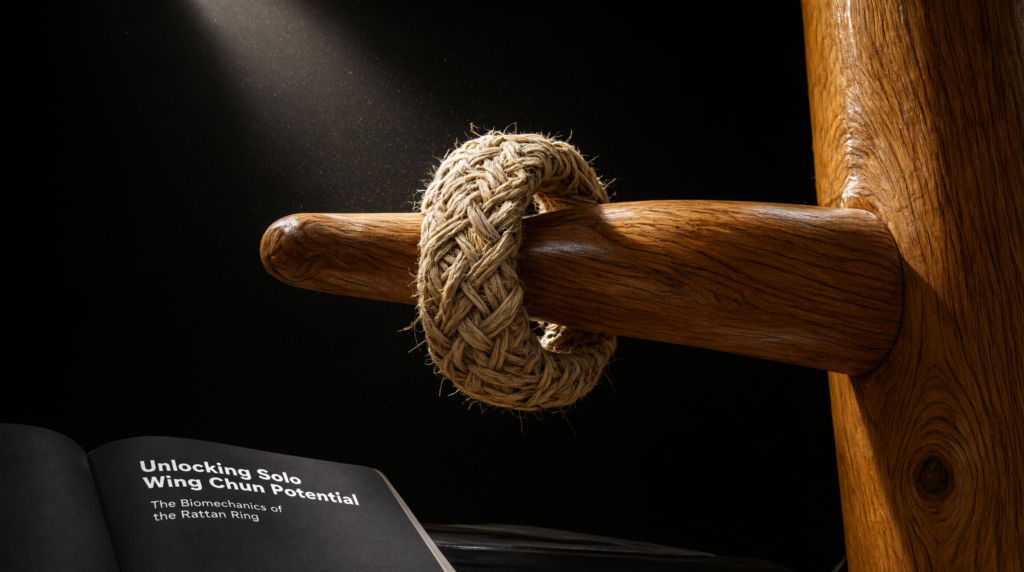
Rattan/Bamboo Rings 6–8 inch diameter are non-negotiable for elbow conditioning. Solid-core rattan has a natural flex modulus that yields slightly on impact—teaching controlled tension without hyperextension. Children often chicken wing their elbows flaring outward, which strains the ulnar collateral ligament. These rings isolate the elbow joint in a closed-loop motion, reinforcing proper Bong Sau geometry without full-body load.
Protective gear isn’t padding—it’s structural support:
Neoprene wrist wraps (2–3mm thick) stabilize the radiocarpal joint, preventing ulnar deviation during Pak Sau.
Check out our top-rated Wing Chun training gear & equipment on Amazon
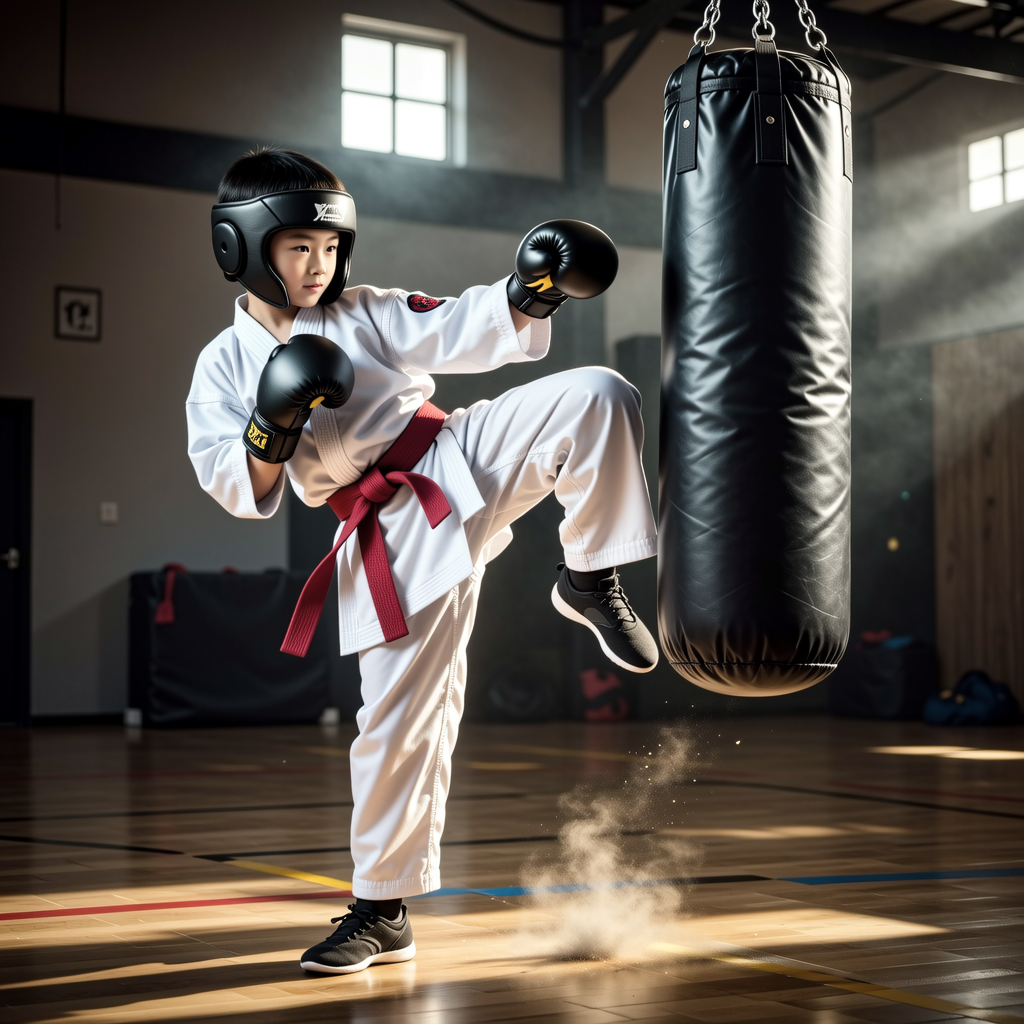
Light boxing gloves (4oz or 6oz) increase surface area by 200%, lowering pressure per square inch. They’re not for power—they’re for distribution.
Shin guards (EVA + nylon shell) are mandatory for Jap Gerk drills. At age 10, tibia cortical thickness is only 65% of adult levels; low kicks demand protection, not bravery.
The Technical Setup Blueprint
Installation isn’t about aesthetics—it’s about constraint engineering. A junior dummy must be anchored to prevent rotational drift, but not so rigid that it teaches pulling instead of rooting. Wall-mounted units with adjustable steel brackets ±5° tilt let instructors dial in the exact angle needed for each child’s height. Freestanding models use weighted sandbag bases 20–30 lbs that allow 5–10° of controlled sway—enough to teach balance recovery, not enough to spin out of position.
Color coding the centerline is pure cognitive optimization. Use 1-inch fluorescent tape: green for the trunk’s midline, red for the outer wings of the arms Pak Sau targets, yellow for the inner forearm zone Tan Sau. This turns abstract theory into visual cues—critical when attention spans hover at 15–20 minutes for 7-year-olds.
The Robot Drill protocol strips complexity down to movement vectors. No fluid transitions. Just straight-line motions: punch → retract → reset. Children execute 3–5 reps per side, timed by a metronome app 60 BPM. This reduces cognitive load by 70% and prevents elbow flaring by enforcing shoulder girdle isolation. Only after 4–6 weeks of robotic precision do we introduce flow.
Field Verdict & Operational ROI
This isn’t compromise—it’s progression. The gear stack follows a strict safety-to-skill ladder:
https://www.youtube.com/watch?v=XJe_ONWyFbEPhaseAge GroupEquipment
Recommended Insights From Our Wing Chun Guide Library:
- Wing Chun Dummy for Kids and Youth Training: Size, Safety, and Scale
- Teaching Kids the Art of Wing Chun Dummy Practice
- Precision Scaling for Youth Martial Arts Training: Biomechanical Safety & Weight Calibration Guide – Wing Chun Dummy
- Wing Chun Dummy Drill for Beginners: Mastering the Fundamentals
- Wing Chun Dummy Drills for Small Spaces: Mastering the Mook Yan Jong at Home
Focus & Goal
Phase 1Ages 6–9Foam pad + wall-mounted junior dummyDrills are all tapping—no striking. Focus: centerline awareness, posture, and wrist alignment. Equipment cost: under $150.
https://www.youtube.com/watch?v=ENPyDMELbrwPhase 2Ages 10–12Add synthetic junior dummy + rattan ringsIntroduce controlled Pak Sau slaps metronome-paced and Tree Hugger drills. Goal: build proprioception without joint stress.
Check out our top-rated Wing Chun training gear & equipment on Amazon
Phase 3Ages 13–14+Transition to full-size hardwood dummyOnly after bone density maturation markers e.g. wrist X-ray confirmation of epiphyseal closure. Until then, tap remains the rule.
ROI isn’t just injury avoidance—it’s engagement. Gamified drills like Slap the Bee hitting red tape zones or Mirror Match two kids with foam pads, sticking hands without striking turn technique into play. Parents see reduced bruising, faster focus retention, and zero long-term joint complaints. Instructors gain liability mitigation and higher retention rates—because kids stay in class when training feels safe and fun.
Martial Arts Reference & Authority Resources:
Most importantly: this approach future-proofs your program. A child who masters centerline retention and kinetic control on a junior dummy doesn’t need retraining later. They transition smoothly into Chi Sao, sparring, and eventually full-contact application—because their foundation was built on physics, not folklore.
The final truth? Wing Chun’s genius lies not in rigidity, but in adaptability. The dummy isn’t sacred wood—it’s a tool. And for young warriors, the right tool doesn’t break them. It builds them—bone by bone, strike by tap, safely into mastery.
🔍 Explore More: See all Wing Chun training guides for Wing Chun dummy drills for children’s classes.
Check out our top-rated Wing Chun training gear & equipment on Amazon