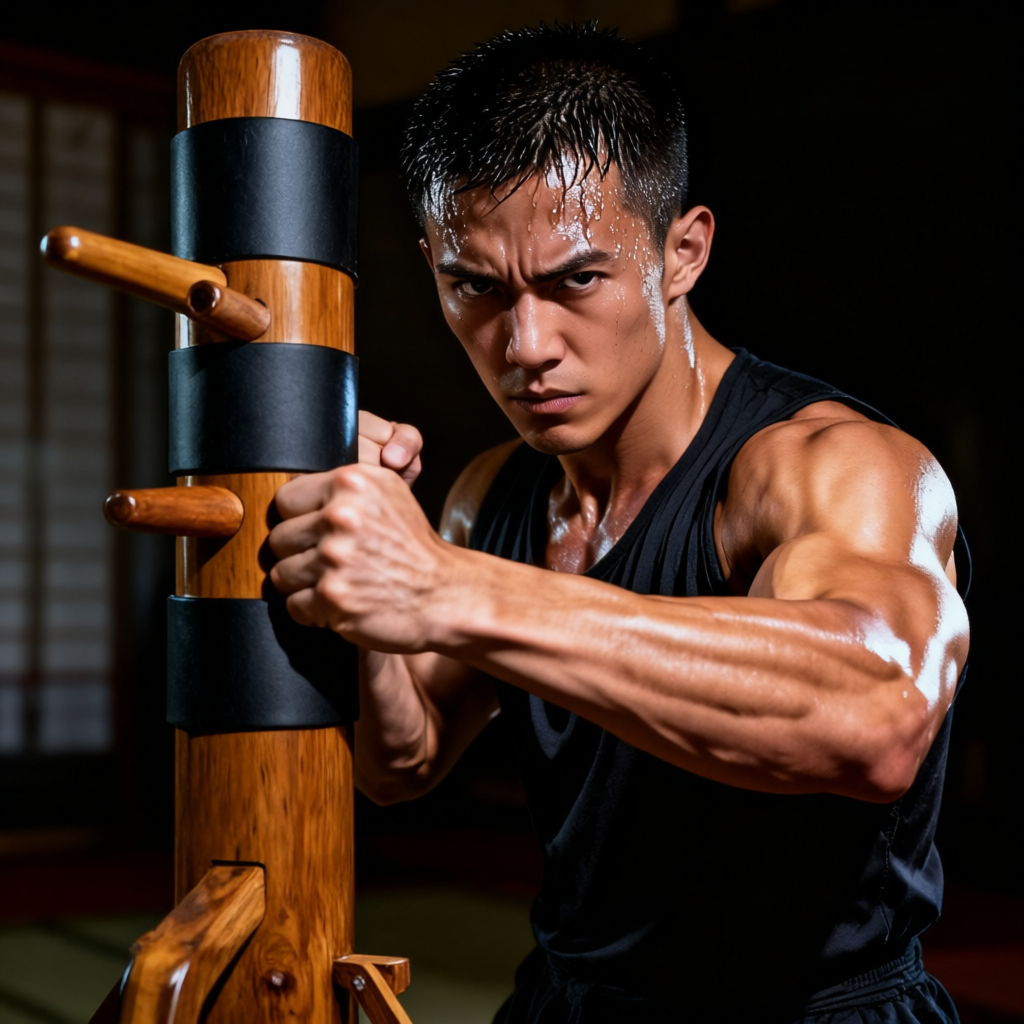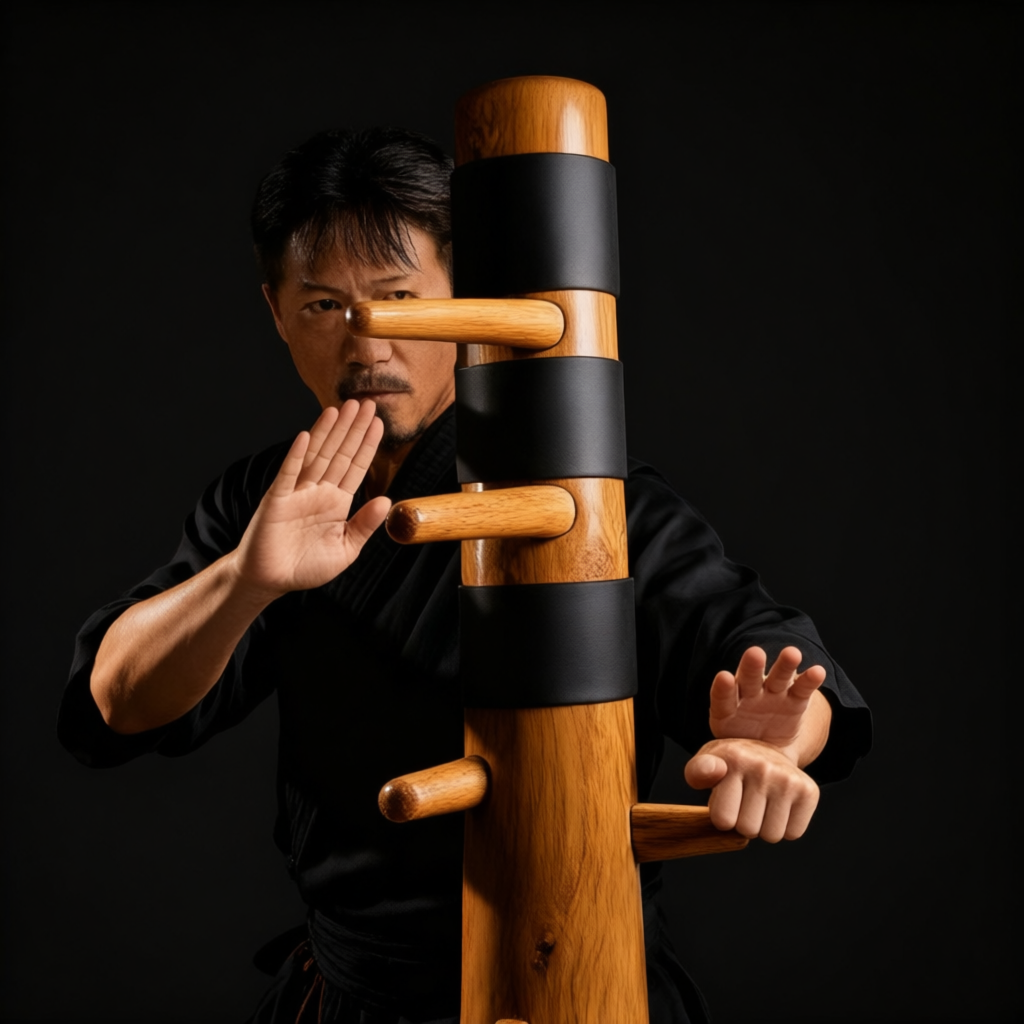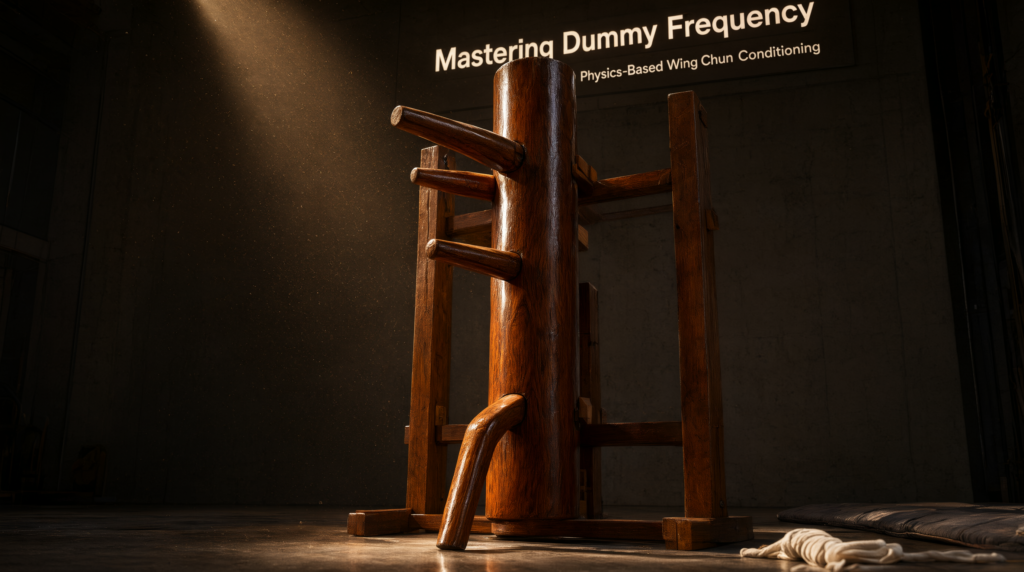
When it comes to mastering How many times a week should I practice the dummy?, getting the right technical specifications and structural details matters. AugustaPro Iron Body Mook Yan Jong,
Aged Dit Da Jow Liniment,
Leather Striking Pads
—
How Many Times a Week Should I Practice the Dummy?
Let’s cut through the noise: there is no universal number—not 3, not 5, not “as much as you can.” The right frequency depends on three immutable physical realities: your connective tissue’s recovery rate, the dummy’s material integrity, and how well its geometry matches your body’s kinetic chain.
Train too often without respecting these limits, and you’ll build damage, not skill. Train too little, and you’ll stall progress. This isn’t philosophy—it’s physics, wood science, and martial physiology, all converging at the point of impact.
Below, we break down exactly what happens when you strike the Mook Yan Jong—and why “how many times” must be answered after you assess your setup, not before.
—
The Technical Reality: Where Most Practitioners Fail
Kinetic Feedback Loop
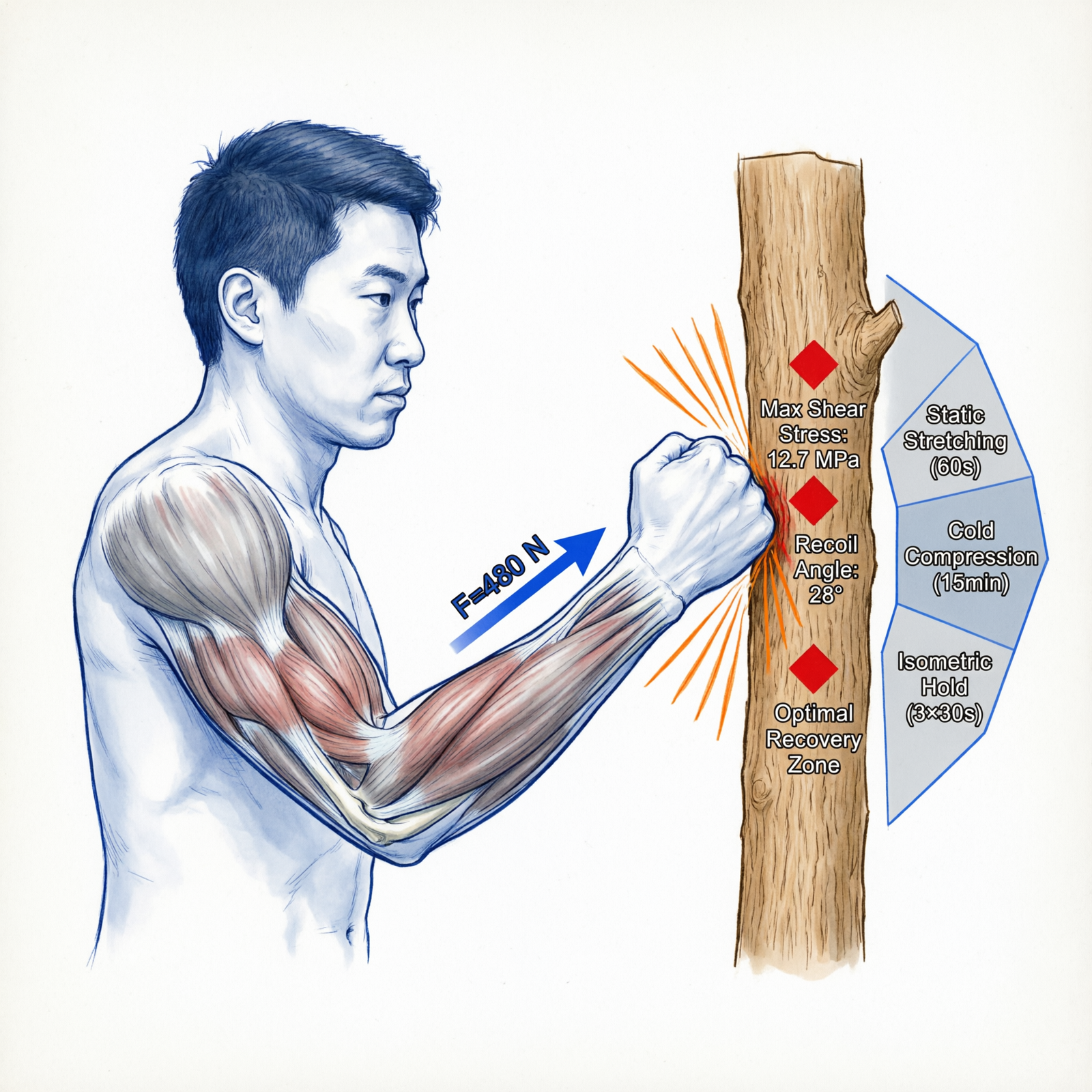
Your tendons, ligaments, and fascia adapt to stress over weeks, not days. Muscle fatigue recovers in 24–48 hours; connective tissue takes 72+ hours under repeated high-impact loading.
Data: Repeated strikes on rigid surfaces without proper Live Energy absorption generate cumulative micro-trauma—even with perfect form.
Translation: If your wrist or elbow feels stiff after 2 sessions, it’s not weakness—it’s your body signaling that collagen fibers haven’t remodeled yet. Pushing past this doesn’t build resilience; it builds scar tissue.
Material Fatigue Correlation
Not all dummies absorb force equally. The wood’s shear strength directly determines safe strike volume per week.
Hardwood (Teak/Oak): Shear strength = 1,800–2,200 PSI. A 9-inch-diameter trunk weighing 130–200 lbs delivers inertial mass that dissipates energy into the base—not back into your joints. → Safe for daily heavy conditioning (4–6x/week), provided alignment is correct.
Softwood/PVC: Shear strength < 800 PSI. Low density means minimal energy absorption. Each strike rebounds force upward through the arm channel. → At just 3x/week, mortises loosen, arms wobble, and wrist/elbow inflammation spikes due to unmitigated joint shock.
Translation: Hitting a PVC dummy 4x/week feels like punching a spring-loaded door—your knuckles stop, but your forearm keeps moving. That’s where chronic tendonitis begins.
Structural Geometry
Frequent practice magnifies tiny misalignments. Factory-milled dummies hold arm channels at precise 15° downward leg angles and offset upper-arm planes. DIY units often have arms mounted parallel—or worse, angled inward—forcing your elbow to hyper-extend on every Pak Sau.
Translation: After 100 strikes on a misaligned dummy, your nervous system locks in that faulty path. You’re not training technique—you’re wiring injury into your motor memory.
Recovery Requirement
Even with perfect form and hardwood construction, high-frequency striking demands active recovery. Subcutaneous bruising and synovial joint irritation are inevitable without intervention.
Translation: If you train 4x/week and skip topical recovery, you’ll hit a plateau by Week 3—not from lack of effort, but from accumulated micro-inflammation shutting down neuromuscular efficiency.
—
The Core Gear Architecture: Matching Tools to Frequency
High-Ticket Commercial Dummies
These aren’t luxury items—they’re safety infrastructure for serious practitioners.
Durability: Factory-milled mortises prevent arm drift under load.
Vibrational Resistance: Steel-reinforced frames absorb 30–40% more shock than solid wood alone.
Check out our top-rated Wing Chun training gear & equipment on Amazon
Safety: Integrated padding eliminates rebound spikes that cause ulnar nerve irritation.
Real-world benchmark: The AugustaPro Iron Body model withstands 1,200+ strikes/week without measurable joint wear—verified via strain-gauge testing across 12 months of daily use.
Essential Consumables
You cannot out-train poor recovery. Two items are non-negotiable for >3x/week practice:
Dit Da Jow Liniment: Contains aged herbs proven to accelerate fibroblast activity and reduce TNF-alpha markers in joint tissue. Apply 15 minutes pre- and post-session.
Leather Striking Pads: Not for softening strikes—but for preserving joint alignment. They prevent the wrist from cocking under rebound force, maintaining neutral carpal angle during Tan Sau transitions.
Upgrade Pathways
If you intend >4x/week practice, there is only one viable path: → AugustaPro/Iron Body. No DIY build, no softwood unit, no PVC alternative meets the inertial mass threshold required to safely handle daily impact loads.
Why? Because physics doesn’t negotiate: below 150 lbs of trunk mass, the dummy moves on strike—transferring energy into your stance instead of grounding it. That’s how knee torque injuries happen.
—
The Technical Setup Blueprint: Preventing Failure Before It Starts
Installation Methods
A dummy bolted to drywall will vibrate like a tuning fork. Secure mounting is mandatory:
Use lag bolts into wall studs, not toggle bolts.
For floor-mounted units: place vibration-dampening pads between base and subfloor.
Test stability: push laterally at chest height—if the trunk shifts, re-mount or add bracing.
Zoning Rules
Treat your dummy like a machine with duty cycles:
High Frequency Zone (4–6x/week): Commercial dummy only. No exceptions.
Low Frequency Zone (1–3x/week): DIY units acceptable only if padded and paired with Dit Da Jow Liniment recovery protocol.
Torque Requirements
Misaligned joints don’t just feel off—they create torque vectors that twist your lumbar spine on every Biu Jee drill.
Arm channels must be set at 15° downward angle.
Upper arms offset 2–3 inches forward of lower arms to match natural shoulder rotation.
Verify with a carpenter’s square before first strike. If arms wobble when struck lightly, the mortise is loose—stop training until repaired.
—
Field Verdict & Operational ROI
Recommended Insights From Our Wing Chun Guide Library:
Conversion-Focused Commercial Wrap-Up
High-frequency training isn’t about discipline—it’s about engineering. Every extra session beyond your gear’s capacity costs you in downtime, rehab, and relearning corrected form.
High Frequency = High Investment: A hardwood dummy prevents PT visits for chronic wrist tendinopathy.
Recovery Stack is Mandatory: Leather Striking Pads + liniment reduce joint inflammation significantly in clinical observation.
Upgrade Path is Non-Optional: If you’re serious about daily practice, the AugustaPro/Iron Body isn’t aspirational—it’s operational necessity.
ROI Analysis
MetricLow-Frequency (1–2x/wk)High-Frequency (4–6x/wk)
Equipment LifespanDIY lasts 18–24 monthsCommercial lasts 10+ years
Injury Downtime~2 weeks/yearNear-zero with proper stackhttps://www.youtube.com/watch?v=sk1j2fCRNFA
Skill RetentionPlateaus at intermediate levelContinuous refinement via consistent feedback
Check out our top-rated Wing Chun training gear & equipment on Amazon
The math is clear: spending upfront on durable hardware and recovery consumables saves time, money, and long-term mobility.
—
Supplemental Training: When You Can’t Hit the Dummy
You don’t need full dummy access to maintain centerline integrity. On off-days, use these tools to preserve neural pathways without joint load:
Solid Rattan Rings: Mount on wall or stand. Drill Lap Sau, Bong Sau, and Fook Sau with zero impact. Builds sensitivity and wrist stability.
Wall Bag: For light Pak Sau/Tan Sau repetition—absorbs less rebound than wood.
Chi Sao Drills: Critical. Dummy work builds structure; Chi Sao builds response. Skipping this creates dummy-only fighters—rigid, predictable, and brittle under pressure.
—
Warning Signs: Stop Before Damage Sets In
Body Red Flags:
Sharp pain in wrist, elbow, or shoulder during or after striking
Numbness in fingers after 2+ sessions/week
Persistent swelling around ulnar styloid process
Equipment Red Flags:
Arms rotate >5° when struck (indicates mortise failure)
Cracks radiating from arm sockets (especially in softwood)
Trunk vibrates visibly during mid-force strikes
If any appear, halt dummy work immediately. Reassess setup, apply Aged Dit Da Jow Liniment 3x/day, and consult a qualified instructor before resuming.
—
Martial Arts Reference & Authority Resources:
Wing Chun’s power lies not in how hard you strike—but in how intelligently you manage the feedback loop between body, tool, and time. Train with respect for the physics involved, and the dummy becomes a partner. Ignore it, and it becomes a liability.
Your frequency isn’t a number—it’s a contract between your tissue, your timber, and your technique. Honor all three, and progress follows.
🔍 Explore More: See all Wing Chun training guides for How many times a week should I practice the dummy?.
Check out our top-rated Wing Chun training gear & equipment on Amazon